If you are looking for a Western Slope market where the numbers can make sense over time, Delta deserves a closer look. Many long-term investors want a lower entry price, steady rental demand, and a property type that fits a hold strategy instead of a quick flip. Delta checks a lot of those boxes, especially if you value practical buying decisions and realistic expectations. Let’s dive in.
Delta Offers Lower Entry Costs
For many investors, the first reason Delta stands out is simple: it costs less to get in. Zillow’s spring 2026 snapshot shows an average home value in Delta of $368,941, compared with $424,908 in Grand Junction and $467,131 in Montrose.
That puts Delta about 13% below Grand Junction and about 21% below Montrose on average home value. For a buyer focused on long-term ownership, that lower basis can create more room to manage expenses and target sustainable returns over time.
Rent levels also help support the story. Zillow reports average rent in Delta at $1,550, compared with $1,766 in Grand Junction and $1,882 in Montrose.
In other words, rent is lower in Delta, but not by as much as sale prices are. That makes Delta worth a serious look for investors who want a market that may support cash-flow goals without paying a premium just to enter.
Delta Fits Workforce-Oriented Rentals
Delta does not read like a luxury rental market, and that can be a positive for long-term investors. Census data shows median household income in Delta city at $45,250, which points to a rental base that is more workforce-oriented than high-end.
That matters because workforce demand can be steadier and less dependent on trend-driven pricing. Census data also shows median gross rent at $990 in Delta city and $1,121 in Delta County, though those figures are measured differently than Zillow’s rent series and should not be compared directly.
For investors, the bigger takeaway is that Delta appears tied to everyday housing demand. That can support a more durable long-term strategy built around consistent occupancy and sensible rent expectations.
Delta Has Year-Round Demand Drivers
A long-term investment market needs more than affordable purchase prices. It also needs demand that comes from real local activity, and Delta has several anchors that help support housing demand year-round.
Delta is the county seat and commercial center for Delta County. The city says it is located about 40 miles south of Grand Junction and 20 miles north of Montrose along US-50, which helps connect it to other regional job and service centers.
Population trends also suggest steady movement rather than sharp swings. Recent Census estimates put Delta city at 9,688 residents and Delta County at 32,178, both above their 2020 levels.
That does not point to a boomtown story. It points to slow, steady growth, which is often what long-term investors want to see.
Schools Support Local Housing Needs
Delta has a full local education network. Delta County School District 50J and the city’s community information list Delta High School, Delta Middle School, Garnet Mesa Elementary, Lincoln Elementary, Vision Charter Academy, Grand Mesa Choice Academy, and Technical College of the Rockies.
For investors, that means there is more than one source of housing demand. School-related employment and family housing needs can help support a stable base of renters and buyers over time.
Healthcare Adds Stability
Delta Health is another important local anchor. It describes itself as a county-wide healthcare system serving the Western Slope for more than 100 years, with a 49-bed hospital and multiple locations across the county.
Healthcare tends to support steady housing demand because it creates year-round jobs and ongoing service needs. That can be especially meaningful in a smaller market where major institutions matter.
Agriculture Broadens the Economy
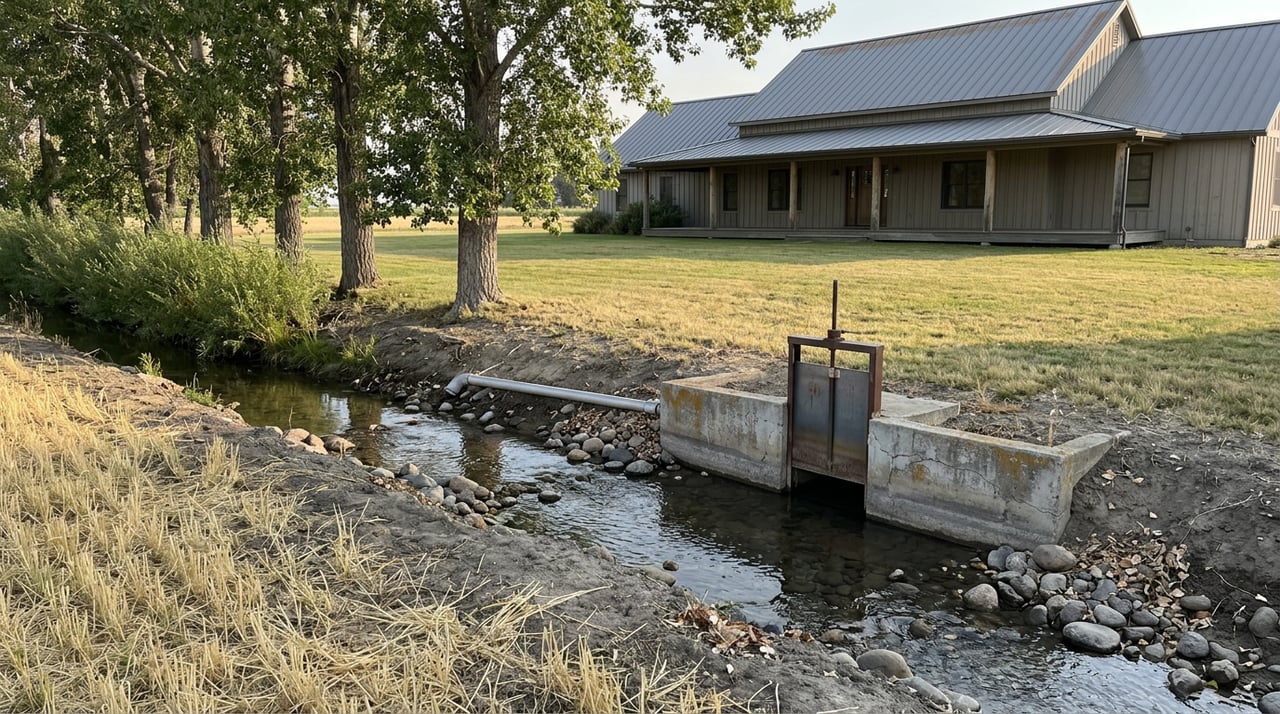
Delta County’s official agriculture information highlights fertile valleys, reliable irrigation, and crops such as apples, peaches, and cherries. For investors, this matters because it shows that Delta is not built around one seasonal driver alone.
A broader economic base can reduce some of the risk that comes with overreliance on a single industry. That does not remove market risk, but it does support the case for a patient hold strategy.
Delta Supports Long-Term Holds
Not every market is ideal for quick appreciation plays. Delta looks better suited to investors who are willing to buy carefully, operate well, and hold for the long run.
Zillow’s Delta market page shows a mix of property types, including single-family homes, condos, townhomes, duplexes and triplexes, and land for sale. That variety gives you multiple ways to enter the market depending on your budget and strategy.
You might focus on a straightforward in-town rental, a small multifamily property, or even a land or infill opportunity. For a brokerage that works across residential, land, and rural property types, that flexibility matters.
Local Stability Favors Patient Owners
Census data shows an owner-occupied rate of 66.0% in Delta city and 77.9% in Delta County. It also shows that 91.6% of city residents and 90.3% of county residents were living in the same house one year later.
Those figures do not guarantee tenant retention, but they are consistent with a relatively stable housing base. Markets with that kind of stability often appeal more to long-term owners than to investors looking for fast churn.
Supply Growth Looks Incremental
Another point in Delta’s favor is that new supply does not appear to be running away. Delta County had 115 building permits in 2024, and the city is actively updating its land-use code to reduce steps and review time for housing and business applications.
That suggests a market where growth may continue, but at an incremental pace. For long-term investors, that can be more manageable than a market flooded with new competing inventory.
Delta Requires Hands-On Ownership
Delta can be appealing, but it is not a set-it-and-forget-it market. Owners need to understand local operations, maintenance demands, and property oversight.
Inside city limits, Delta provides electric, water, wastewater, and refuse service. The city’s building department handles permits for residential and commercial construction, electrical work, demolition, house moving, wood stove installation, re-roofing, additions, and excavation.
The city does not process plumbing permits. Outside sewered areas, Delta County Environmental Health handles septic systems, drinking water, and water quality.
For out-of-area owners, that means your rental may involve more coordination than a simple suburban property in a larger metro. Utility setup, permitting, septic oversight, and routine compliance can all be part of the ownership picture.
Property Upkeep Matters
Delta Police code enforcement handles issues such as weeds, trash, litter, and fires. That is a good reminder that property condition is not just about tenant satisfaction. It is also about staying on top of basic upkeep and local expectations.
If you are buying from out of town, strong systems matter. Clear maintenance plans, regular inspections, and responsive management can make a real difference in how smoothly a long-term hold performs.
Delta Is Better for Income Than Speed
If your strategy depends on rapid resale, Delta may feel slow. Zillow shows homes in Delta County taking around 76 days to pending, compared with about 40 days in Montrose and 25 days in Grand Junction.
That does not make Delta a weak market. It simply suggests a different type of market, one that looks more patient and income-oriented than fast-moving and appreciation-driven.
For many investors, that is actually the appeal. Delta offers a lower purchase price, realistic rents, and demand supported by local institutions, agriculture, and steady community growth.
Why Delta Stands Out for Investors
When you step back, Delta’s appeal comes down to a few practical advantages:
- Lower average home values than nearby Western Slope markets
- Rent levels that still support investor interest
- Demand tied to schools, healthcare, local services, and agriculture
- A property mix that includes residential, multifamily, and land opportunities
- Market conditions that appear better suited to long-term holds than quick flips
- Local ownership demands that reward good management and maintenance systems
If you want a market with a manageable entry point and a realistic long-term story, Delta is worth considering. The key is going in with a hold mindset, solid due diligence, and a plan for day-to-day operations.
If you want help evaluating Delta investment property, land, or a rental strategy on the Western Slope, Teddy Berger can help you buy, sell, and manage with clear local guidance.
FAQs
Why does Delta, Colorado appeal to long-term property investors?
- Delta appeals to long-term investors because it offers lower average home values than nearby markets, rent levels that still work for many buyers, and housing demand supported by local jobs, healthcare, schools, and agriculture.
How do Delta home prices compare with Montrose and Grand Junction?
- Zillow’s spring 2026 data shows Delta average home values at $368,941, compared with $424,908 in Grand Junction and $467,131 in Montrose, making Delta less expensive on average than both nearby markets.
Are rents in Delta, Colorado high enough for investors to consider?
- Delta’s average rent was reported by Zillow at $1,550 in spring 2026, which is below Grand Junction and Montrose but still suggests the market can be worth screening for cash-flow-focused buyers.
What supports rental demand in Delta, Colorado?
- Rental demand in Delta is supported by its role as the county seat and commercial center, along with local schools, Delta Health’s county-wide system, and Delta County’s agriculture base.
Is Delta better for quick flips or long-term rental holds?
- Based on the market data in the research, Delta appears better suited to patient, income-oriented hold strategies than fast-turn resale plays.
What should out-of-area rental owners know about owning property in Delta?
- Out-of-area owners should expect to coordinate utilities, permits, maintenance, and in some cases septic and water oversight, especially for properties outside sewered areas.