
Selling a ranch near Norwood is not the same as selling a house in town. You are often marketing a mix of land, access, water, improvements, and operating details, all in a rural area where buyers may be searching from far outside San Miguel County. If you want a smoother sale and stronger buyer confidence, the best move is to prep the property like a complete land package, not just a listing. Let’s dive in.
Why Norwood ranch sales need a different plan
Norwood-area ranches sit in a very rural part of San Miguel County. The county spans 1,286.61 square miles, with a small population spread across a large area, so buyers are often evaluating properties remotely before they ever schedule a showing. That makes clear digital presentation especially important.
Online visibility matters because that is where many buyers start. In the 2024 Profile of Home Buyers and Sellers, 51% of buyers found the home they purchased on the internet, while 29% found it through a real estate agent, and 88% used an agent or broker. For sellers, that supports a strategy built around strong online marketing plus direct agent-to-agent exposure.
Ranch properties also bring more layers of due diligence than a typical residential sale. Colorado’s land disclosure form asks about access, boundaries, water supply, utilities, leases, noxious weeds, conservation easements, and agricultural uses. In other words, your paperwork can be just as important as your photos.
Start with the property story
Before you think about photos or pricing, organize the story of the land. Buyers want to understand what the property is, how it works, and what comes with it. When that information is easy to review, your listing feels more credible and easier to pursue.
A strong seller packet can help answer buyer questions early. It can also reduce confusion once offers start coming in. For rural properties, that kind of clarity matters.
Gather your core records first
Start with the basic legal and ownership documents tied to the ranch. Colorado’s land disclosure form specifically allows supporting documents to be attached, which makes it smart to gather key records before the listing goes live.
Useful records often include:
- Deed
- Parcel number
- Legal description
- Survey or plat
- Recorded easements or right-of-way documents
- Deed restrictions or HOA documents, if any
- Leases or conservation-related documents
- Reports, receipts, or insurance claim records tied to improvements or damage
If the property supports agricultural use, gather those records too. The Colorado form asks about crops, livestock, and land leased from or to others, including federal, state, private, or BLM arrangements. If you have grazing agreements, hunting leases, or crop-use paperwork, pull those together early.
Organize water and septic records
For many Norwood-area buyers, water is one of the first topics they will ask about. If you can explain the water setup clearly, you are already ahead. This is especially true for ranch and acreage buyers who want to understand actual use, not just general descriptions.
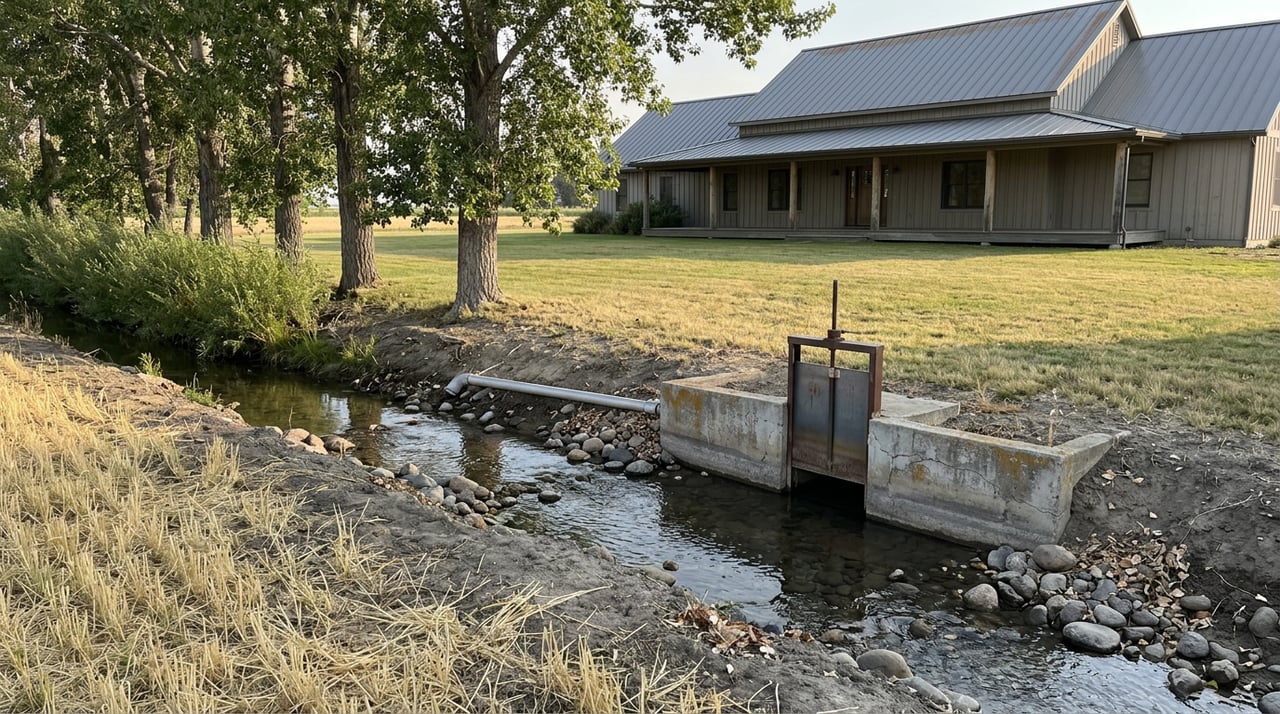
The Colorado Division of Water Resources says well permit files may contain allowable uses, the original application, and available well construction and pump installation records. If the property has water rights, ditch shares, irrigation agreements, augmentation documents, or related decrees, gather those as well.
Septic records matter too. San Miguel County notes that many residents rely on onsite wastewater treatment systems, maintains septic records, and recommends keeping a certified septic inspection report because it can inform future property sales. If you have a recent inspection or system documentation, include it in your prep file.
Clarify access and addressing
Access is a major issue on rural listings because buyers want to know how they legally and practically get to the property. Colorado’s land disclosure form specifically asks about access problems, encroachments, and boundary disputes. If there are any questions here, it is better to sort them out before listing.
San Miguel County also notes that vacant land is generally not assigned an address under most circumstances, while unincorporated properties may receive an address during development review. The county also says proposed access to a county road requires a driveway permit. For your listing, that means you should be ready to explain legal access, driveway status, road surface, and whether the property has an official address.
Know what Colorado expects you to disclose
Colorado’s current land disclosure form became mandatory on January 1, 2026. The form is based on your current actual knowledge, and it is not a warranty. It also states that if you later discover adverse material facts, those need to be disclosed promptly.
For ranch sellers, this matters because acreage sales often involve details that are easy to overlook. Buyers may assume gates, equipment, stock tanks, water shares, or certain fixtures are included, but the contract controls what is and is not part of the sale. The more clearly you define those items up front, the fewer surprises you are likely to face later.
Disclose the issues buyers will ask about
You should be prepared to disclose known issues involving:
- Access problems
- Boundary disputes or encroachments
- Unrecorded easements
- Water supply details
- Septic or wastewater information
- Utility conditions
- Noxious weeds
- Agricultural uses
- Leases or occupancy arrangements
A survey may also help identify or prevent boundary-related problems. If you already have one, it can be a helpful part of your listing package.
Older homes may trigger lead rules
If your ranch includes a residence built before 1978, federal law requires disclosure of known lead-based paint information before contract signing. Sellers must provide available records and reports, provide the EPA pamphlet, and allow a 10-day inspection period for buyers.
If repairs or cleanup will disturb older paint, lead-safe practices matter. In that situation, use lead-safe certified contractors for work that disturbs painted surfaces, dust, or debris.
Focus cleanup on what rural buyers notice most
For a Norwood ranch, the highest-value prep is usually not cosmetic polish. It is the work that shows safety, access, maintenance, and stewardship. Buyers notice whether a property feels cared for and functional.
Colorado’s land disclosure form highlights noxious weeds, dead or diseased trees or shrubs, boundary issues, access problems, and environmental conditions. San Miguel County also identifies noxious and invasive weeds and forest health as local concerns. That gives you a practical roadmap for what to tackle first.
Prioritize access, safety, and stewardship
Start with the features that shape a buyer’s first impression of how the ranch operates. If roads, gates, and structures look hard to use or poorly maintained, buyers may assume larger hidden issues are waiting.
Good prep often includes:
- Clearing roads and driveway edges
- Cleaning up around gates and entrances
- Removing deadfall and scattered debris
- Controlling noxious weeds where visible
- Trimming brush near structures and travel paths
- Repairing broken fences or sagging gates
- Fixing unsafe corrals or loose hardware
- Addressing washouts in driveways
- Repairing obvious roof leaks or failing barn doors
This kind of work helps buyers picture the property as manageable. It also supports the impression that the land has been actively looked after.
Include wildfire-minded cleanup
Wildfire mitigation is an important part of ranch prep in Colorado. The Colorado State Forest Service says the two primary determinants of a home’s ability to survive wildfire are the structure’s ignitability and the quality of the surrounding defensible space.
That makes practical pre-listing tasks worth the effort. Clean leaves and needles from roofs, decks, and gutters, remove combustible debris, and manage vegetation around homes and outbuildings. These steps can improve safety and strengthen the visual message of responsible ownership.
Build a marketing plan for remote buyers
A Norwood ranch should be marketed as a data-rich land package. That means your marketing needs to show both the experience of the property and the facts behind it. Buyers may fall in love with the views, but they usually make decisions based on the details.
In a rural market, the goal is not just broad exposure. It is reaching the right mix of buyers, including neighboring owners, local operators, recreation-minded buyers, and out-of-area lifestyle buyers.
Use visuals that explain the land
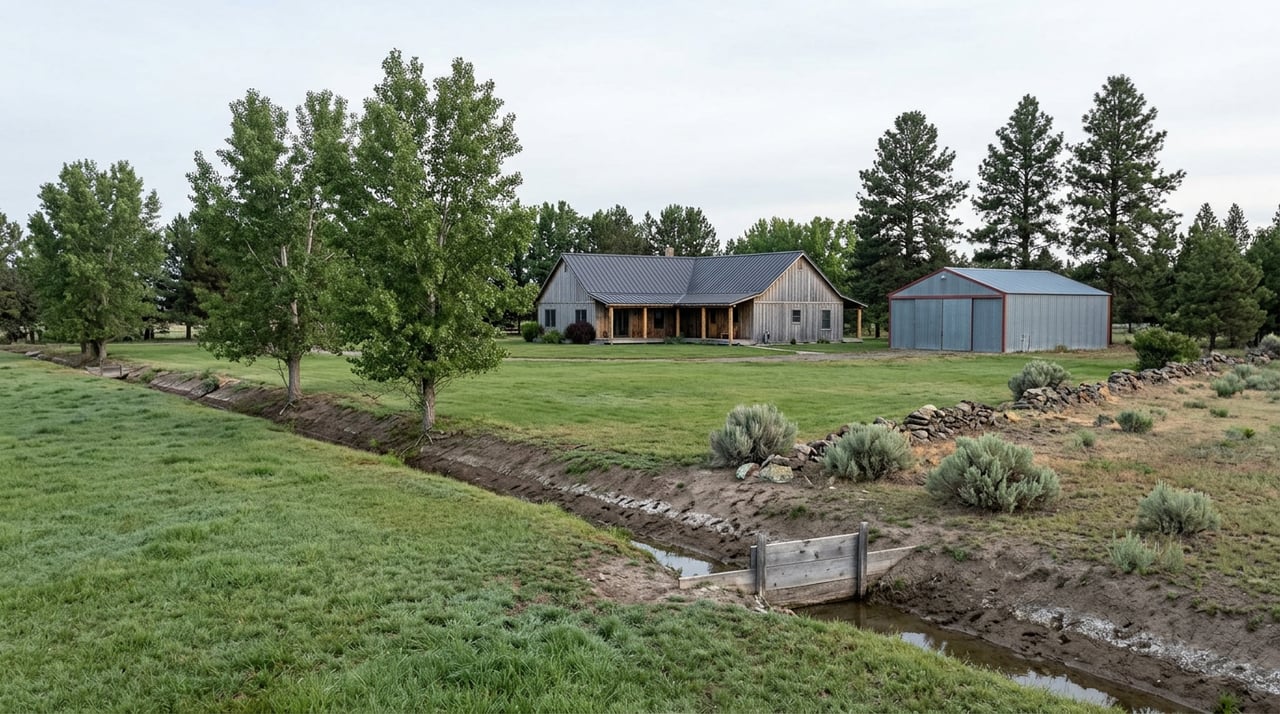
Professional visuals are especially important when a property is large, remote, or complex. Buyers need help understanding layout, access, improvements, and terrain before they visit.
For many Norwood ranch listings, the strongest marketing package includes:
- Professional photography
- Aerial or drone imagery
- Parcel or boundary graphics
- Map overlays
- A concise feature sheet
- Clear notes on water, utilities, access, improvements, and included items
That approach fits current buyer behavior. Buyers often begin online, and agents remain a key guide, so your listing should be easy to understand both on screen and in broker-to-broker conversations.
Match the channels to the property
NAR reports that many real estate professionals promote listings through their own websites, social media, and digital tools, including drones. For a ranch listing, that supports a strategy centered on MLS exposure, strong listing pages, direct outreach to agents, and shareable digital assets.
That is one reason specialized rural marketing matters. A yard sign alone will not tell the full story of a ranch with wells, septic, access details, water use, and operating improvements. Your marketing should help a serious buyer get oriented quickly and ask better questions.
A simple Norwood seller game plan
If you want a practical way to approach your sale, keep it simple. First, organize the documents that explain the property. Second, fix the visible issues that affect safety, access, and stewardship. Third, market the ranch with visuals and facts that can reach serious rural buyers.
That approach lines up with Colorado disclosure rules, San Miguel County realities, and the way buyers shop today. It also makes your property easier to evaluate, which can help reduce friction once interest picks up.
If you are getting ready to sell a ranch or acreage property in Norwood, working with a local team that understands land, access, water, and rural marketing can make the process much clearer. To talk through your property and next steps, reach out to Teddy Berger.
FAQs
What records should I gather before listing a Norwood ranch?
- Start with the deed, parcel number, legal description, survey or plat, water and well records, septic records, access documents, leases, and any reports or receipts tied to improvements, damage, or land use.
What should I disclose when selling land or a ranch in Colorado?
- Colorado’s land disclosure form calls for disclosure based on your current actual knowledge, including known issues with access, boundaries, easements, water supply, septic, utilities, noxious weeds, leases, and agricultural uses.
How much cleanup does a Norwood ranch usually need before listing?
- Focus on enough cleanup to make access, safety, and stewardship obvious, which often means clear roads, tidy fences and gates, weed control, debris removal, and defensible space around structures.
Why does water information matter so much for Norwood acreage buyers?
- Rural buyers often want a clear explanation of how water is sourced and used, so well permits, water-right documents, ditch shares, irrigation agreements, and related records can help them understand the property faster.
Do I need septic records for a ranch sale in San Miguel County?
- Yes, septic information is useful because many properties rely on onsite wastewater systems, and San Miguel County notes that septic records and certified inspection reports can inform future property sales.
What kind of marketing works best for a Norwood ranch listing?
- The most effective approach usually combines professional photos, aerial imagery, parcel graphics, clear property notes, MLS exposure, and direct outreach so remote and specialized buyers can evaluate the property more easily.