If you have ever looked at a Montrose acreage or ranch listing and thought, this barely tells the real story, you are not alone. Selling rural property is different from selling a typical in-town home, and buyers usually need more than a few photos and a short description to understand what they are seeing. In this guide, you will see how we market Montrose area acreage and ranch listings to highlight the land, answer key buyer questions early, and attract better-informed interest. Let’s dive in.
Why Montrose land needs a different plan
Montrose County is a large, rural market with a strong agricultural identity. The county describes itself as the agricultural hub of the Western Slope, with just under 45,000 residents spread across more than 2,200 square miles in the Uncompahgre River and Paradox Valleys.
That scale matters when you market land. According to the USDA’s 2022 county profile, Montrose County has 1,050 farms covering 285,524 acres, with an average farm size of 272 acres. In a market like that, buyers are not only evaluating a home. They are also evaluating access, usable ground, water, improvements, and how the property fits their goals.
A ranch, horse property, buildable parcel, or recreational tract each needs a different presentation. The marketing has to explain what the property is, what supports it today, and what a buyer may want to verify before moving forward.
We start with the land story
Acreage buyers usually want clarity fast. They want to know where the boundaries sit, how the property is accessed, what the terrain looks like, and whether the parcel appears suited for agriculture, recreation, a homesite, or long-term holding.
That is why we do not market Montrose acreage like a standard residential listing. We build the story around the land itself, then support that story with visuals, maps, and documentation that help buyers understand the opportunity before they schedule a showing.
Visual marketing comes first
Buyers rely heavily on online information when searching for property. In NAR’s 2024 Generational Trends report, buyers who used the internet ranked photos and detailed property information as the most useful features, followed by floor plans, virtual tours, interactive maps, and videos.
For acreage and ranch listings, that matters even more. Rural buyers often need to understand the setting, spacing, topography, and surrounding context before they can decide whether a property fits their needs.
Professional photography
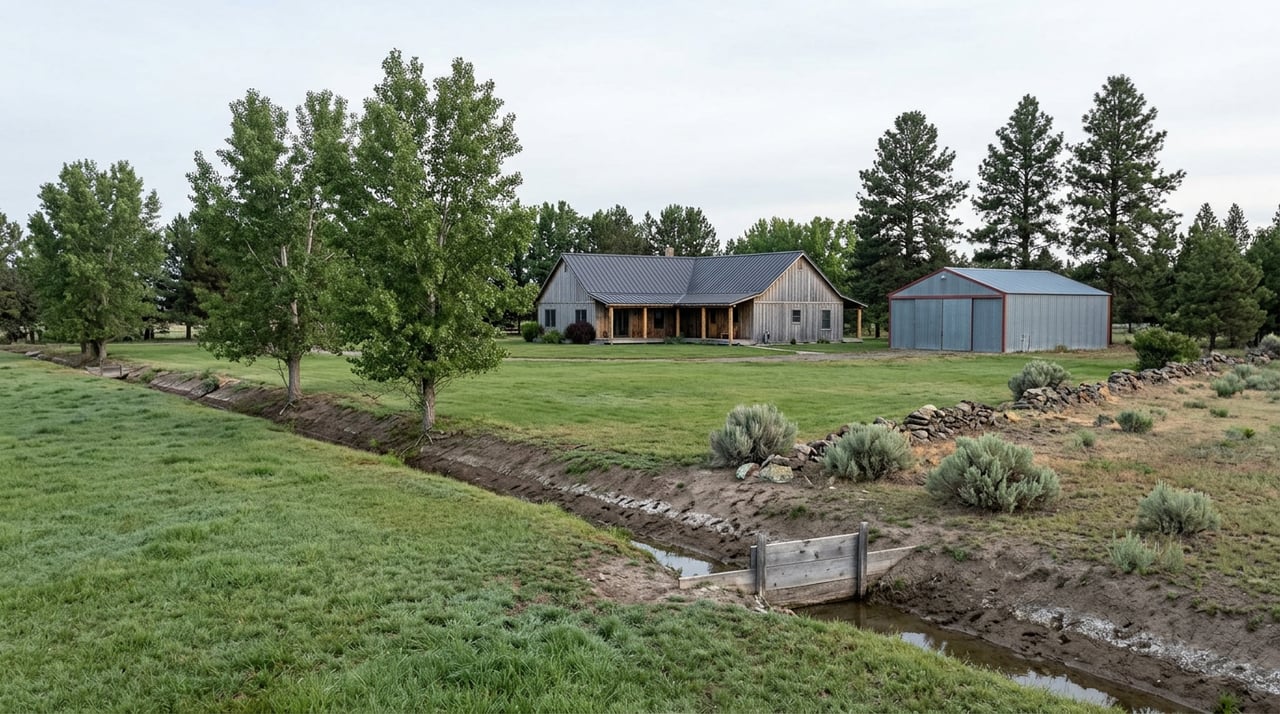
We lead with strong photography because buyers need to see more than the front of a house. For Montrose area land and ranch listings, photos should show:
- The approach to the property
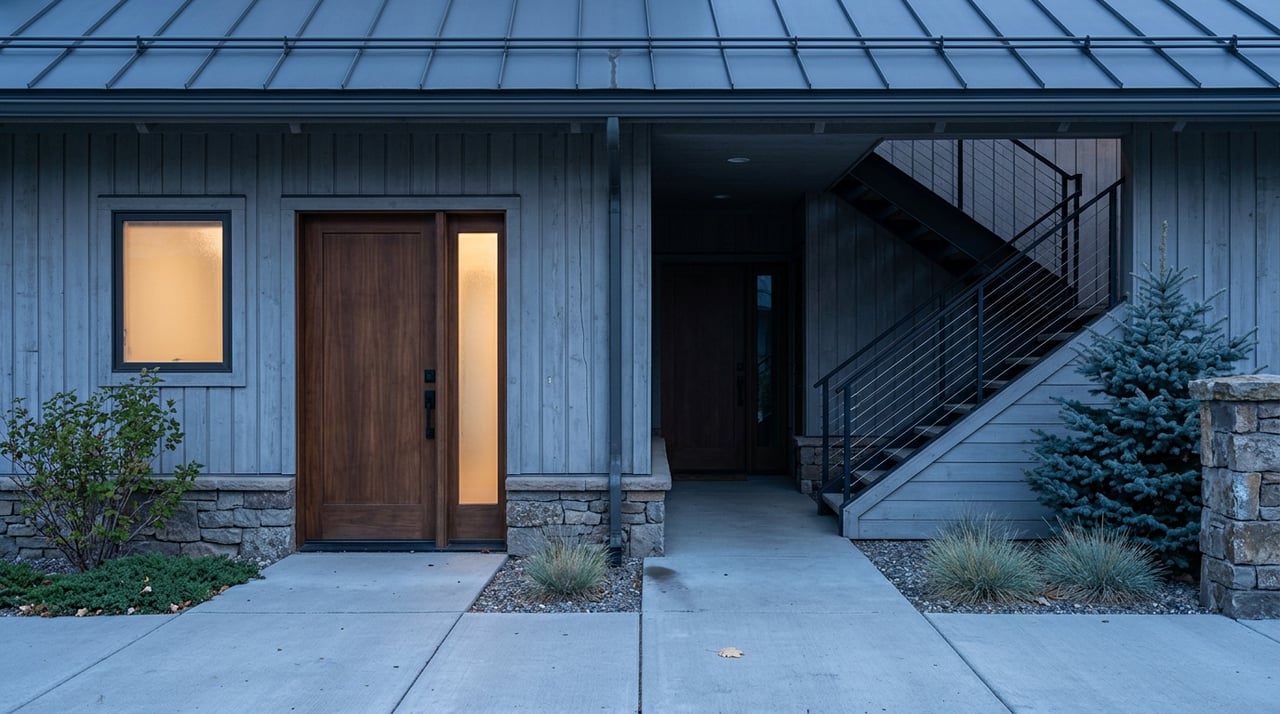
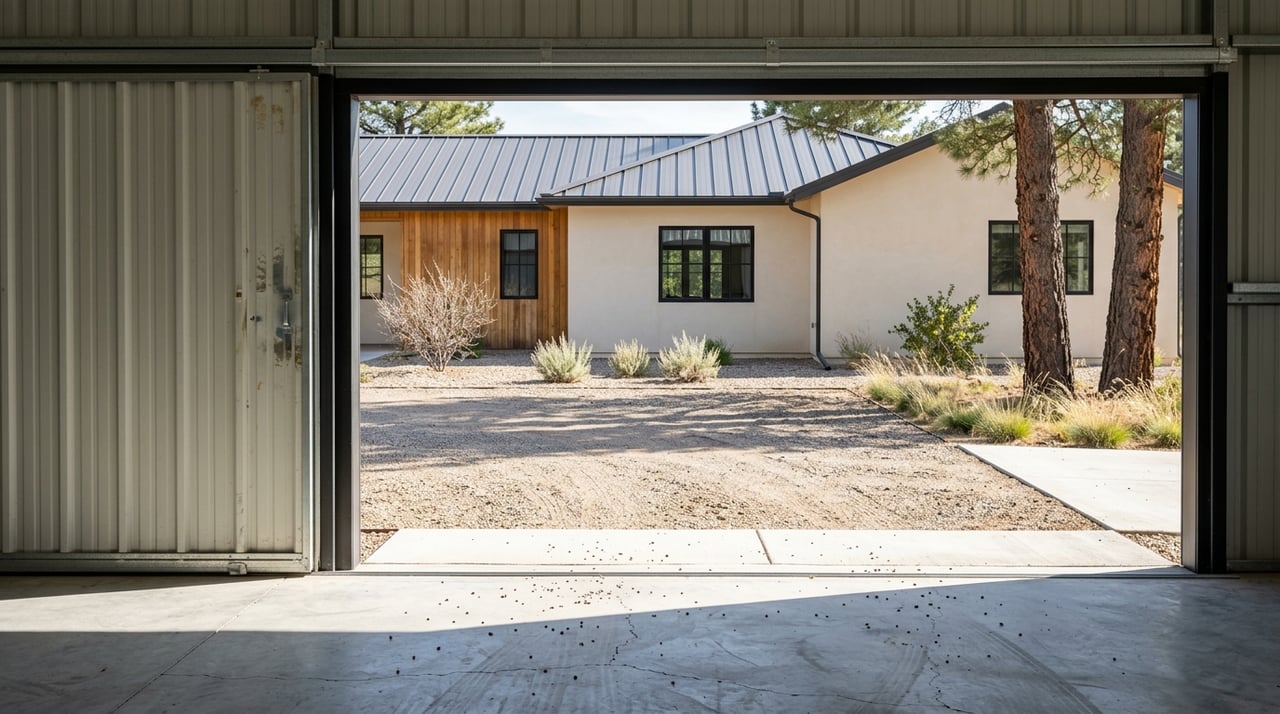
- The home and major improvements
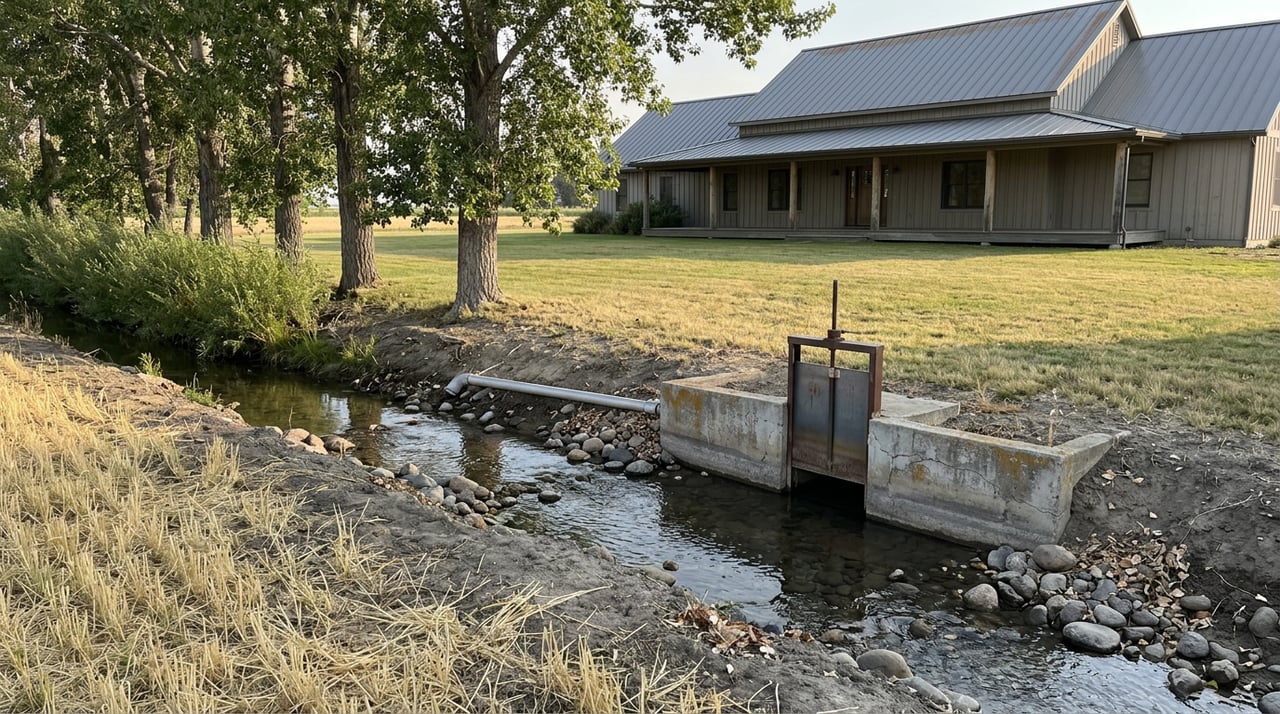
- Pasture, irrigated ground, or open acreage
- Barns, shops, fencing, and working features
- Views, terrain, and surrounding landscape
- Outdoor living areas and access points
The goal is simple. You want buyers to understand the property at a glance and keep reading.
Drone photos and video
Aerial content is especially useful in this market. NAR notes that drone photography and video can highlight landscape, outdoor features, and location, which are often central to the value of a rural property.
In Montrose, drone work helps show things that are hard to understand from ground level alone. That can include layout, topography, tree cover, road approach, irrigation patterns, relationship to neighboring land, and the overall feel of the setting.
When used well, a short drone video can give buyers a much clearer picture of the property before they ever step on site. Commercial aerial work should be handled within FAA Part 107 rules.
Maps matter in rural marketing
For acreage, maps are not an extra. They are part of the core listing package.
Montrose County provides public GIS viewers for parcels, zoning, FEMA flood zones, road and trail maps, wildfire-related mapping, water resources, and addressing. Those tools help buyers understand key facts about a property before they visit.
What we want maps to show
A good map package can help buyers answer early questions like:
- Where are the parcel boundaries?
- What roads or routes serve the property?
- What is the zoning context?
- Is any portion in a mapped flood zone?
- How does the property relate to nearby public land, trails, or recreation areas?
- What is the general layout of the terrain and improvements?
This kind of information helps serious buyers self-select. It also helps reduce confusion that can come from trying to understand a large rural parcel through a few still photos alone.
Detailed property information builds trust
A Montrose acreage listing should do more than sound good. It should answer real questions.
Montrose County says most of the county is zoned General Agricultural, while other commercial, business, industrial, and residential zones are also present. The county also notes that agricultural buildings require permits, septic systems require engineer design, and the county does not regulate irrigation water.
That means the listing needs to explain the property in practical terms. Buyers want to know not just what exists, but what may affect use, expansion, or future plans.
The details we work to organize early
For many ranch and acreage listings, useful pre-market information can include:
- Parcel size and basic layout
- Current use of the land
- Zoning context
- Water source information
- Irrigation delivery information, if applicable
- Septic status and lot-size context
- Boundary or survey status
- Permitted improvements and outbuildings
- Road frontage or access context
This does not replace a buyer’s own due diligence. It does help create a cleaner, more informed starting point.
Water is a major part of the marketing story
In Western Colorado, water can shape value and buyer interest in a big way. That is especially true for productive ground, horse property, and larger acreage in the Uncompahgre Valley.
Colorado DWR explains that well-permitting forms are used to construct a new or replacement well or to register an existing well. DWR also reviews county land-division water-supply proposals for adequacy and injury to vested water rights. That makes early water documentation important when a property depends on a well, irrigation delivery, or a future building plan.
Why we address water early
CSU Extension explains that Colorado water rights are personal property rights that allow use of water, not ownership of the water itself. It also notes that buyers should never assume water comes with the land.
That is a key point in ranch and acreage marketing. If a property has irrigation, well use, or another water arrangement, buyers need clear information as early as possible so they know what questions to ask next.
Montrose County’s 2026 Water Summit materials state that the Uncompahgre Valley Water Users Association oversees irrigation deliveries to around 84,000 acres of farmland in Montrose and Delta Counties. For properties in that system, irrigation context can be an important part of the listing story.
Septic, boundaries, and improvements matter too
Acreage buyers often look beyond the house. They want to understand the support systems and site conditions that affect day-to-day use.
Montrose County says private well water quality is not regulated, so the well owner is responsible for drinking-water safety. The county also notes that septic systems must be designed by a Colorado-licensed engineer and require a minimum one-acre lot.
If no plat or pins exist, the county says a survey may be needed to establish boundaries. For sellers, that is a reminder that basic property documents can become important marketing tools when questions start coming in.
Outbuildings and agricultural use
For ranch properties, barns, shops, sheds, corrals, and other improvements can be a big part of the value story. But that story needs to be clear and factual.
Montrose County says agricultural buildings require a zoning location permit and are defined for parcels of at least 35 acres that are actively used for agriculture or ranching. If outbuildings or planned uses are part of the appeal, it helps to have their status organized before the property hits the market.
We market for fit, not just traffic
The goal is not to generate the highest number of random clicks. The goal is to attract buyers who understand the property well enough to know whether it fits their plans.
For Montrose acreage, that may mean making the intended use as clear as possible from the start. A listing might be positioned as productive ranch ground, horse property, recreational land, a homesite opportunity, or a long-term hold, depending on the facts.
When buyers can quickly understand water, access, zoning, and improvements, they can better decide whether to move forward. That can help reduce wasted showings and lead to stronger conversations, even though no marketing plan can guarantee a specific outcome.
Our Montrose acreage marketing process
Every property is different, but a strong rural listing plan often includes the same core building blocks.
1. Property review
We start by understanding the parcel, the improvements, and the seller’s goals. That includes the land’s use, access, water context, structures, and the features that make the property stand out.
2. Pre-market document gathering
We help identify the information buyers are likely to ask about early. Depending on the property, that may include maps, water details, septic information, survey or boundary context, and basic zoning-related facts.
3. Photo and drone planning
We plan the visual package around what matters most on that specific property. For one listing, the headline feature may be irrigated ground. For another, it may be views, a private setting, or a well-placed shop and barn setup.
4. Listing copy that explains the property
We write clear, direct marketing that helps buyers understand what they are looking at. Instead of vague hype, we focus on useful detail and real context.
5. Buyer qualification before private tours
Rural properties often require more time and planning to show well. A buyer-qualification step before private showings can help make sure prospects understand the basics of the property and are approaching it with serious interest.
Why this matters for Montrose sellers
Montrose County’s rules and rural realities mean buyers often need more explanation than they would for a standard house in town. Subdivision eligibility, for example, depends on factors such as direct frontage on a county road, potable water, and minimum lot-size rules, and county review times can vary.
That is why early organization matters. If your property may appeal to ranch buyers, builders, recreation buyers, or someone seeking a future homesite, the marketing should help each audience understand what is known and what they may need to verify.
The better the presentation, the easier it is for the right buyer to picture the property clearly. In a market like Montrose, that clarity is often one of the strongest assets a seller can have.
If you are thinking about selling acreage, ranch land, or a rural home in the Montrose area, a specialized plan can make a real difference in how your property is understood from day one. To talk through your property and the best way to position it, connect with Teddy Berger.
FAQs
What makes marketing acreage in Montrose different from marketing an in-town home?
- Montrose acreage buyers often need more information about land use, water, access, zoning, septic, boundaries, and improvements, so the listing needs to explain more than just the house.
Why are maps important for Montrose ranch listings?
- Maps help buyers understand parcel boundaries, road access, zoning context, flood-zone information, and how the property relates to surrounding land and recreation areas.
Why should a Montrose land listing include water information?
- In Colorado, buyers should not assume water comes with the land, so clear information about wells, irrigation, or other water-use arrangements helps buyers ask the right questions early.
What documents can help before listing a ranch property in Montrose County?
- Depending on the property, helpful items can include parcel maps, survey or boundary information, well details, irrigation information, septic records, and facts about permits for agricultural improvements.
Why use drone media for acreage and ranch listings in Montrose?
- Drone photos and video can show topography, layout, access, surrounding landscape, and the overall setting in a way ground-level images often cannot.
How do you qualify buyers for private acreage showings in Montrose?
- A buyer-qualification step helps confirm that prospects understand the property’s basics, including use, access, water, and improvements, before scheduling a more time-intensive rural showing.