If you picture Telluride as a place that feels the same year-round, you may be in for a surprise. Seasonal living here has a very real rhythm, and that rhythm shapes everything from how you get around to what kind of home makes life easier. If you are thinking about a second home, part-time retreat, or low-maintenance mountain property, understanding that cycle can help you buy smarter and enjoy the area more. Let’s dive in.
Seasonal life in Telluride
Telluride and Mountain Village work as two connected mountain communities with distinct day-to-day feel. Telluride offers a historic, walkable setting, while Mountain Village has a more modern ski-village environment tied closely to resort access.
The area generally moves through three seasonal blocks. Winter runs from Thanksgiving through early April, summer and fall run from mid-May through mid-October, and the shoulder seasons fall in between. That pattern matters because the pace of daily life changes a lot across the year.
In winter, snow drives the lifestyle. Telluride Ski Resort reports that the area receives more than 300 inches of snow annually, so winter living often centers on ski access, snow removal, travel planning, and keeping your property ready for cold-weather conditions.
In summer and early fall, the mood shifts. Hiking, biking, festivals, and outdoor events become part of everyday life, and public spaces are much more active. Telluride Town Park is a strong example, with a summer pool, tennis and pickleball, athletic fields, a skate park, basketball courts, a fishing pond, and a playground.
When winter returns, those same spaces serve different purposes. The Town Park pavilion becomes an indoor ice rink, and the fields are groomed for Nordic skiing. That seasonal swing is part of what makes owning in the Telluride area unique.
Shoulder seasons feel very different
For many buyers, the shoulder season is the part of Telluride life that is easiest to overlook. During these quieter periods, many restaurants, hotels, and other businesses reduce hours or close for part of the season, and the overall pace becomes much calmer.
That can be a positive if you want a mountain home that feels restful and uncrowded. It can also mean less convenience, especially if you expect the same dining, shopping, or transit options you would see during ski season or summer festival months.
If you are buying for part-time use, this matters because your ownership plan should match the season when you will be there most. Some owners love the busy energy of peak months, while others prefer the quiet and simplicity of off-season stays.
Access takes seasonal planning
One of the biggest advantages of the Telluride area is that you often do not need to rely on a car once you arrive. The Telluride region offers free and regional transit options that support a more walkable, mountain-town lifestyle than many buyers expect.
The Galloping Goose loop is free and runs every 10 to 15 minutes in peak seasons and every 30 minutes in the off-season. SMART regional buses also connect Telluride with Montrose, Ridgway, Norwood, Rico, Ophir, and Lawson Hill.
The gondola is another major part of daily life. It links Telluride and Mountain Village for free, which makes moving between the two communities especially easy during peak winter and summer periods.
There is one important catch. The gondola closes during the off-season, and bus bridges may operate during those closures. For a seasonal owner, that means your easiest car-light lifestyle usually happens during the busier parts of the year, while shoulder-season access may require more planning.
Getting to your home matters too
Regional access is part of the equation, especially if you live out of town. Telluride Regional Airport is about 6 miles from town, while Montrose Regional Airport is the primary airport for many travelers and is about 65 miles away.
If you are comparing properties for part-time use, think beyond the home itself. Your travel day, your preferred airport, and your comfort with winter mountain driving all affect how easy ownership will feel.
Road conditions are also a real factor in winter. CDOT has noted winter maintenance operations on CO 145 at Lizard Head Pass between Rico and Telluride, with lengthy delays possible during safety-critical work. In other words, mountain access can be smooth much of the time, but weather and road operations should always be part of your planning.
Parking is not a minor detail
In a mountain market like Telluride, parking is part of the ownership experience. The Town of Telluride manages metered spaces, public lots and garages, resident permits, winter snow-removal rules, and special event restrictions.
That means parking should not be treated as an afterthought when you shop for a seasonal property. A home that works well for your stay pattern may still need a clear plan for your vehicle, guest parking, and service-provider access.
This becomes even more important during festivals and other busy periods. The town publishes separate parking guidance for major event times, and residential permits also include guest-permit rules.
Best property types for seasonal living
If you want a part-time home that is easier to manage, certain property types usually make more sense than others. In the Telluride area, condos, townhomes, and residence-style properties tend to fit seasonal ownership especially well.
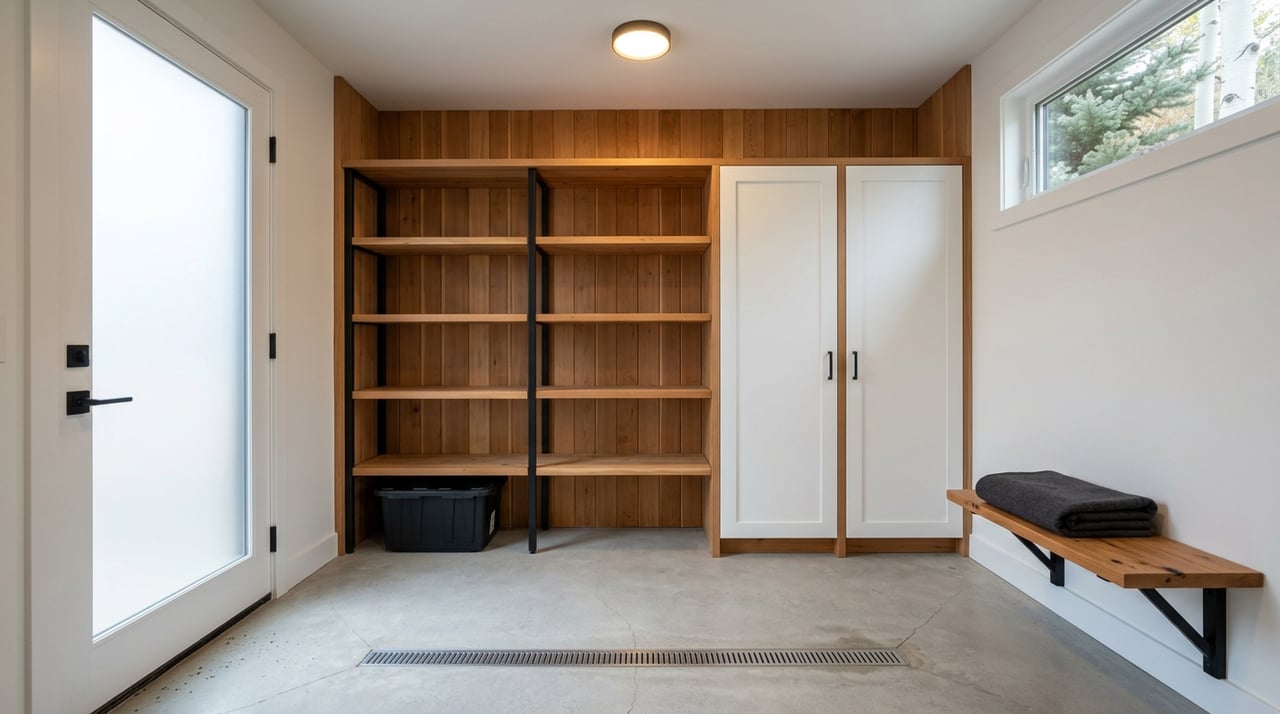
That is because many of these homes are designed for more convenient, lock-and-leave use. Tourism materials for the area consistently highlight features like full kitchens, fireplaces, laundry, concierge support, shuttle service, ski lockers or storage, boot warmers, and on-site parking.
Those details matter more than they might in a full-time primary residence search. When you use a home part-time, convenience and ease of upkeep often become just as important as square footage.
Why many seasonal buyers prefer condos and townhomes
A smaller, service-rich property can simplify ownership in a climate with heavy snow and a changing seasonal pace. For many buyers, that means fewer maintenance headaches and a faster transition from arrival to enjoying the area.
Properties near the gondola or ski area can be especially practical. They often support walkability, easier transit use, and a more flexible visit pattern whether you come for ski weekends, summer stays, or festival season.
Detached homes can still be a fit, especially if you want more privacy or a different mountain-lifestyle setup. But in many cases, a condo or townhome offers the lower-touch ownership structure that part-time buyers are really after.
Ownership logistics matter more than buyers expect
Seasonal living is not only about views, skiing, or summer trails. It is also about what happens when you are not there.
A practical ownership plan usually includes winterization, snow removal coordination, secure storage for gear, trash handling, and regular property check-ins when the home is vacant. These tasks can shape your day-to-day ownership experience just as much as the location itself.
Wildlife is another piece of local reality. Town guidance says trash should be secured, food should not be left outside or in vehicles, and doors and windows should be locked to help reduce bear conflicts.
Utility planning matters too. The town provides water and wastewater service, and public pages show that emergency shutoffs and other interruptions can occur. For a part-time owner, that is another reason to have a clear plan for monitoring the property during vacant periods.
A simple seasonal-owner checklist
Before you buy, it helps to think through the routines your property will need.
- How will snow removal be handled in winter?
- Where will skis, bikes, and seasonal gear be stored?
- What is your plan for trash and wildlife prevention?
- How will you manage guest access and parking permits?
- Who will check on the property when you are away?
- Does the home support easy arrival during both peak and off-season periods?
For many owners, the right answer is a home with built-in convenience plus a local support plan. That can make the difference between a property that feels easy to enjoy and one that feels like work.
What seasonal buyers should focus on
If you are comparing homes in Telluride or Mountain Village, focus on how the property fits your real use pattern. Think about when you will be there, how often you want to drive, whether you want transit access, and how much maintenance you are comfortable managing from a distance.
A beautiful property is only part of the picture. The better question is whether the home supports the kind of ownership you actually want, especially during winter weather and quieter shoulder seasons.
This is where local guidance can help. In a market shaped by snow, transit timing, parking rules, and part-time ownership needs, practical details matter.
If you are considering a seasonal home in the Telluride area, working with a local team that understands mountain properties, second-home logistics, and Western Slope ownership can help you narrow in on the right fit with fewer surprises. When you are ready to talk through your options, connect with Teddy Berger.
FAQs
What does seasonal living in Telluride look like during the year?
- The area generally follows three seasonal blocks: winter from Thanksgiving through early April, summer and fall from mid-May through mid-October, and quieter shoulder seasons in between.
What happens in Telluride during the off-season?
- Shoulder seasons are much quieter, with many restaurants, hotels, and other businesses reducing hours or closing for part of the season, and transit or gondola convenience may be more limited.
Can you live in Telluride without a car?
- Often yes, especially if you are in town or near Mountain Village transit, because the Galloping Goose is free, SMART buses connect nearby communities, and the gondola links Telluride and Mountain Village when it is operating.
What property types work best for part-time living in Telluride?
- Condos, townhomes, and residence-style properties are often the most practical because they tend to offer lower-maintenance, lock-and-leave features and amenities that support seasonal use.
Why is parking important for a seasonal home in Telluride?
- Parking rules can include metered spaces, public lots, resident permits, guest-permit rules, winter snow-removal restrictions, and special event guidance, so it is an important part of day-to-day ownership planning.
What ownership tasks should second-home buyers plan for in Telluride?
- Common needs include winterization, snow removal, secure gear storage, trash handling, wildlife precautions, and regular check-ins while the home is vacant.