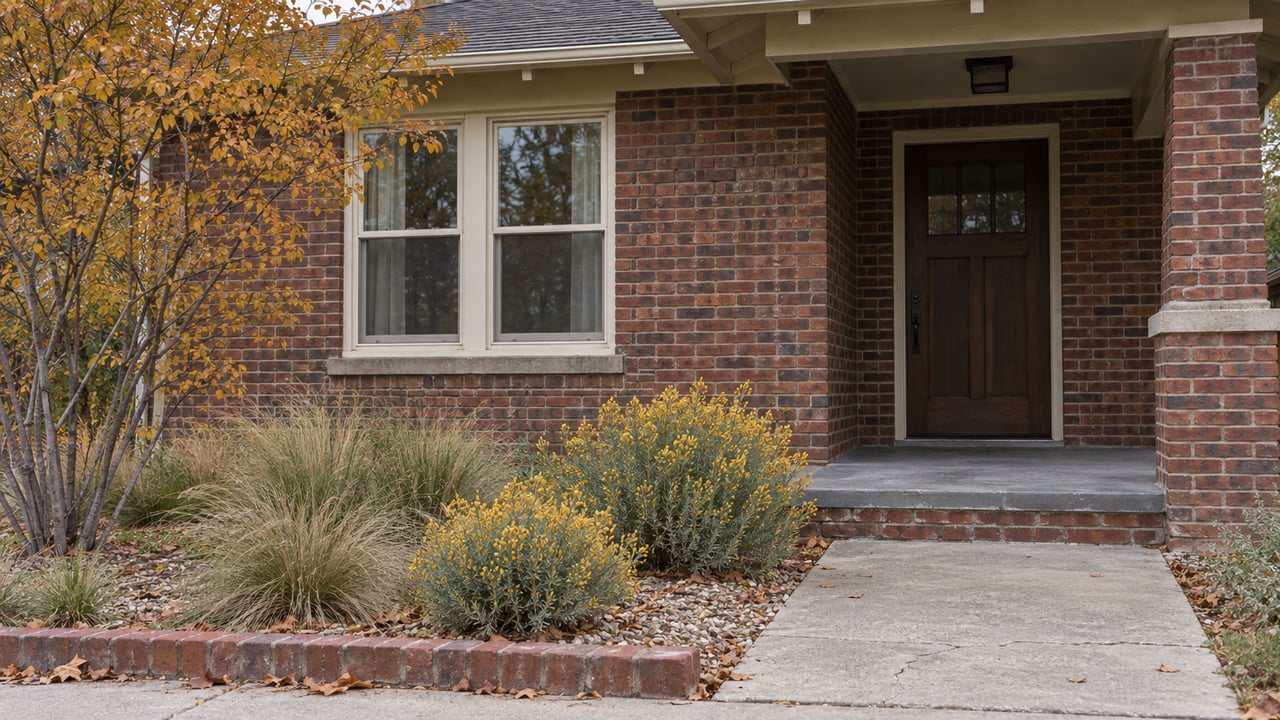

If you own a rental in Montrose but live somewhere else, you already know the challenge is not just finding a tenant. It is staying on top of repairs, notices, lease updates, and day-to-day issues when you are not local. For remote owners, good property management is really about protecting your time, your cash flow, and your compliance. Let’s dive in.
Why remote owners need local help
Montrose is a growing market, but it is still largely owner-occupied. According to the U.S. Census Bureau’s Montrose city data, the city’s estimated population reached 21,646 in July 2024, while housing data for Montrose shows an owner-occupied housing rate of 70.7% and a median gross rent of $1,197.
That matters if you are a landlord. In a market like this, steady occupancy, timely maintenance, and strong tenant communication can matter more than trying to squeeze out aggressive rent increases. If you live out of town, even a short delay in handling a vacancy or repair can affect your annual returns.
What a property manager does
For a remote owner, a property manager is your local point of contact. That usually means handling tenant screening and placement, rent collection and accounting, maintenance coordination, lease agreement management, inspections, and support if lease enforcement issues come up.
For many owners, the real value is consistency. Instead of trying to coordinate contractors from another state or respond to a tenant issue while traveling, you have someone local who can step in quickly, document what happened, and keep things moving.
Why Colorado rules matter
Colorado rental law creates very specific workflows around screening, deposits, notices, repairs, and recordkeeping. If you are not local, it can be harder to respond within the required timelines or maintain the right documentation.
That is one reason remote owners often benefit from local management. Colorado rules can require prompt action, clear written notices, and careful records, so having a nearby contact can make day-to-day operations much more manageable.
Screening rules to understand
Colorado allows landlords to consider rental and credit history, but generally not beyond seven years. The law also generally does not allow landlords to require income above 200% of the tenant-paid portion of rent. These rules are outlined in the Colorado Revised Statutes, Title 38.
Colorado also requires landlords to accept portable tenant screening reports when they meet the legal requirements. If an applicant provides a valid portable screening report, the landlord cannot charge an application fee or a fee to access or use that report.
For remote owners, this is a good example of where process matters. Screening is not just about choosing a tenant. It also has to be handled in a way that follows current Colorado law and keeps a clear paper trail.
Rent and late fee basics
Rent collection sounds simple until a payment comes in late. In Colorado, late fees can only be charged after rent is at least seven calendar days late, and the fee must be disclosed in the lease.
The late fee is capped at the greater of $50 or 5% of the past-due rent. Colorado law also treats late fees separately from rent, which means a late fee by itself cannot be the reason for removal or lease termination. For a remote owner, that makes a clear lease and a consistent rent-collection system especially important.
Security deposit rules to follow
Colorado’s deposit rules have become more detailed, and that matters for landlords who want to avoid disputes. Security deposits cannot exceed two months’ rent, and under Colorado’s newer law, the deposit generally must be returned within 30 days after lease termination or surrender and acceptance, unless the lease sets a longer period up to 60 days.
Landlords also cannot keep deposit funds for normal wear and tear or preexisting damage. If money is withheld, the landlord must provide a written explanation with required documentation. The law also contemplates a tenant-requested move-out walk-through inspection, which can be done in person or through telecommunication-assisted interaction when reasonable and practicable, as reflected in Colorado’s security deposit legislation.
For remote owners, this is one of the strongest arguments for local oversight. Move-in photos, move-out documentation, written accounting, and timely delivery all need to be handled carefully.
Maintenance and habitability can’t wait
Colorado’s warranty of habitability law requires landlords to keep a rental fit for human habitation. The law specifically addresses issues such as heat, hot water, water, locks, weatherproofing, pest control, egress, and code compliance, as outlined in the Colorado landlord-tenant statutes.
As of January 1, 2025, rental agreements must also include a statement about the tenant’s right to safe and healthy housing. Landlords must provide both a mailing or personal-delivery address and an email address or tenant portal for written notice of uninhabitable conditions.
There are also recordkeeping requirements. Landlords must keep notice and remediation records during occupancy and for at least three years after, and those records must be provided within 10 calendar days after a tenant request. For remote owners, local maintenance coordination is not just convenient. It can be critical.
Montrose rent benchmarks in context
If you are setting rent from out of town, it helps to separate federal benchmarks from live market asking rents. The U.S. Census Bureau reports a median gross rent of $1,197 in Montrose city and $1,188 in Montrose County.
HUD’s FY2026 Fair Market Rent schedule for Montrose County lists $890 for a one-bedroom, $1,168 for a two-bedroom, $1,624 for a three-bedroom, and $1,959 for a four-bedroom, according to HUD User’s Fair Market Rent data. These numbers are useful reference points for voucher standards and some rent ceilings, but they are not the same thing as current asking-rent averages.
That is why local leasing judgment matters. Pricing a unit well is about more than plugging in a benchmark. Condition, location, unit type, timing, and competition all affect how quickly you lease and how long a tenant stays.
What to look for in Montrose management
If you are comparing management options, start with licensing and compliance. In Colorado, renting or leasing property for compensation on behalf of an owner can implicate broker licensing rules, so it makes sense to verify the company and broker through the Colorado Department of Regulatory Agencies.
You should also ask practical questions, including:
- How often are lease forms updated for Colorado law?
- How are portable screening reports handled?
- What is the process for application-fee disclosures and receipts?
- How are move-in and move-out conditions documented?
- What are the maintenance response times for urgent issues?
- How are repair logs, notices, and deposit records stored?
- What is the after-hours process for water, heat, lock, roof, pest, or gas issues?
A good manager should be able to explain these items clearly. If the answers are vague, the fee schedule is unclear, or the maintenance process feels improvised, that is worth taking seriously.
Common red flags for remote landlords
Some warning signs are easy to miss when you are not in town. An outdated lease template, weak inspection records, or unclear maintenance procedures can create bigger problems later.
Watch for red flags such as:
- Vague or confusing fees
- No written maintenance workflow
- Poor understanding of Colorado screening rules
- No clear process for security-deposit documentation
- No local repair or emergency-response plan
- Limited communication about notices, records, or entry procedures
Remote ownership works best when systems are predictable. You want clear communication, documented processes, and someone local who can act quickly when needed.
Local management supports long-term returns
In Montrose, remote ownership is usually easier when you focus on the basics done well. That means pricing realistically, screening consistently, documenting thoroughly, responding to maintenance quickly, and staying current with Colorado law.
For many landlords, the biggest benefit of professional management is peace of mind. You are not just hiring someone to collect rent. You are creating a local system to help protect the property, support tenant communication, and reduce costly delays.
If you own rental property in Montrose and want a practical local partner, Teddy Berger offers leasing and property management support with the clear, responsive approach that many remote owners need.
FAQs
What does rental property management in Montrose include for remote owners?
- Property management can include tenant screening and placement, rent collection and accounting, maintenance coordination, lease agreement management, inspections, and support with lease enforcement issues.
What are Montrose rent levels compared with HUD benchmarks?
- Montrose city’s median gross rent is $1,197, while HUD FY2026 Fair Market Rent figures for Montrose County list $890 for a one-bedroom, $1,168 for a two-bedroom, $1,624 for a three-bedroom, and $1,959 for a four-bedroom.
What Colorado screening rules matter for Montrose landlords?
- Colorado generally limits use of rental and credit history to seven years, requires acceptance of qualifying portable screening reports, and restricts certain screening practices, including some rules involving income thresholds and housing-subsidy applicants.
What Colorado late fee rules apply to Montrose rental properties?
- Late fees can only be charged after rent is at least seven calendar days late, must be disclosed in the lease, and are capped at the greater of $50 or 5% of the past-due rent.
What should remote owners know about Colorado security deposits?
- Security deposits cannot exceed two months’ rent, generally must be returned within 30 days unless the lease allows up to 60 days, and any withholding must be explained in writing with supporting documentation.
How can you verify a Montrose property manager’s Colorado license?
- You can check the firm or broker through the Colorado Department of Regulatory Agencies to confirm licensing status and review any disciplinary history.