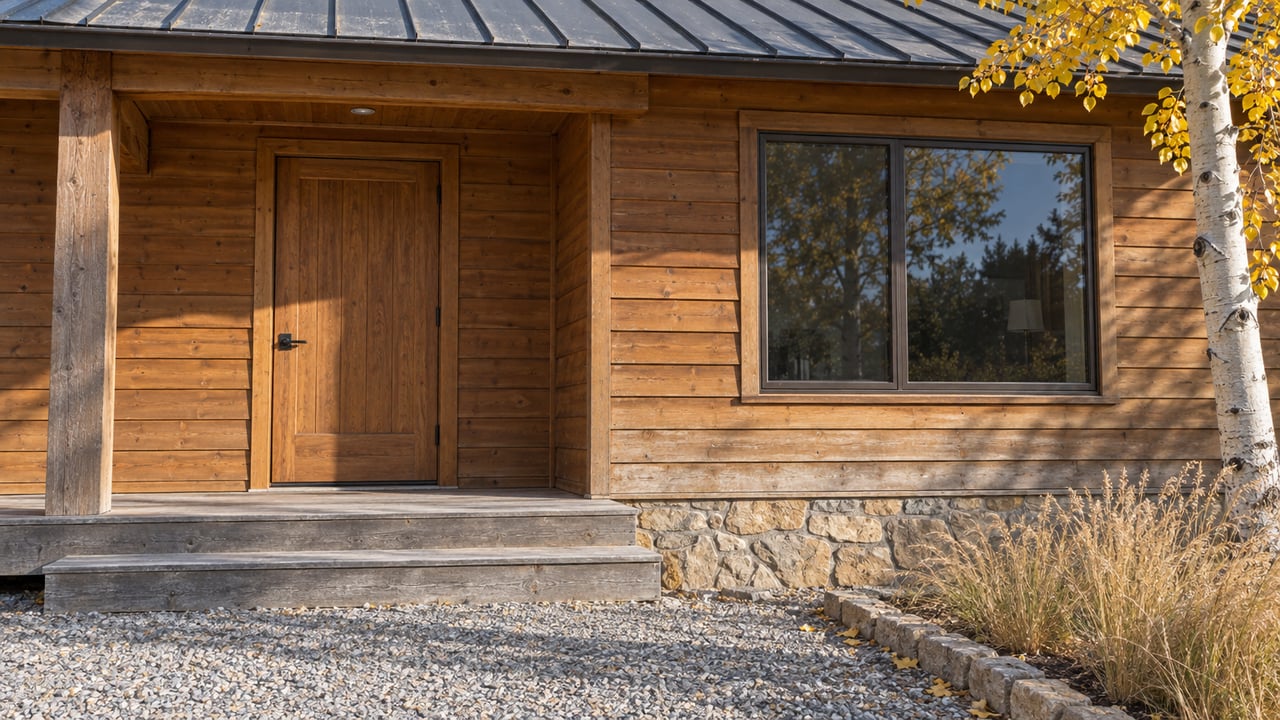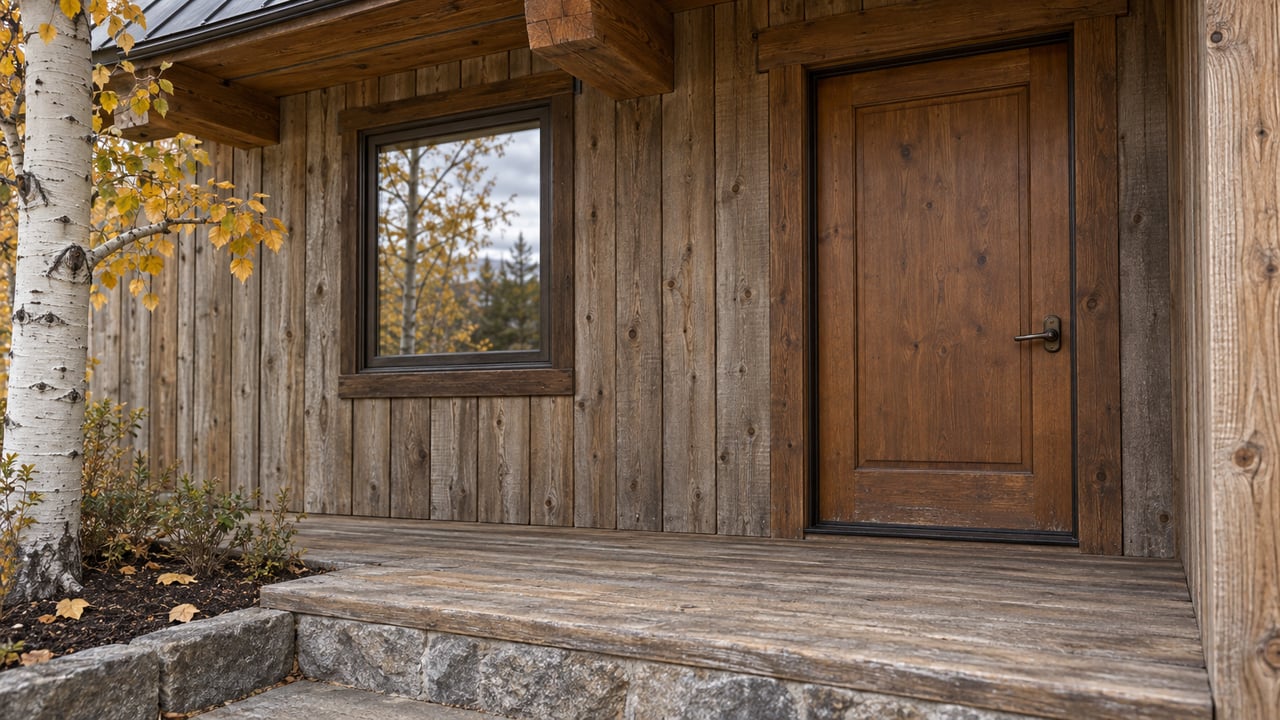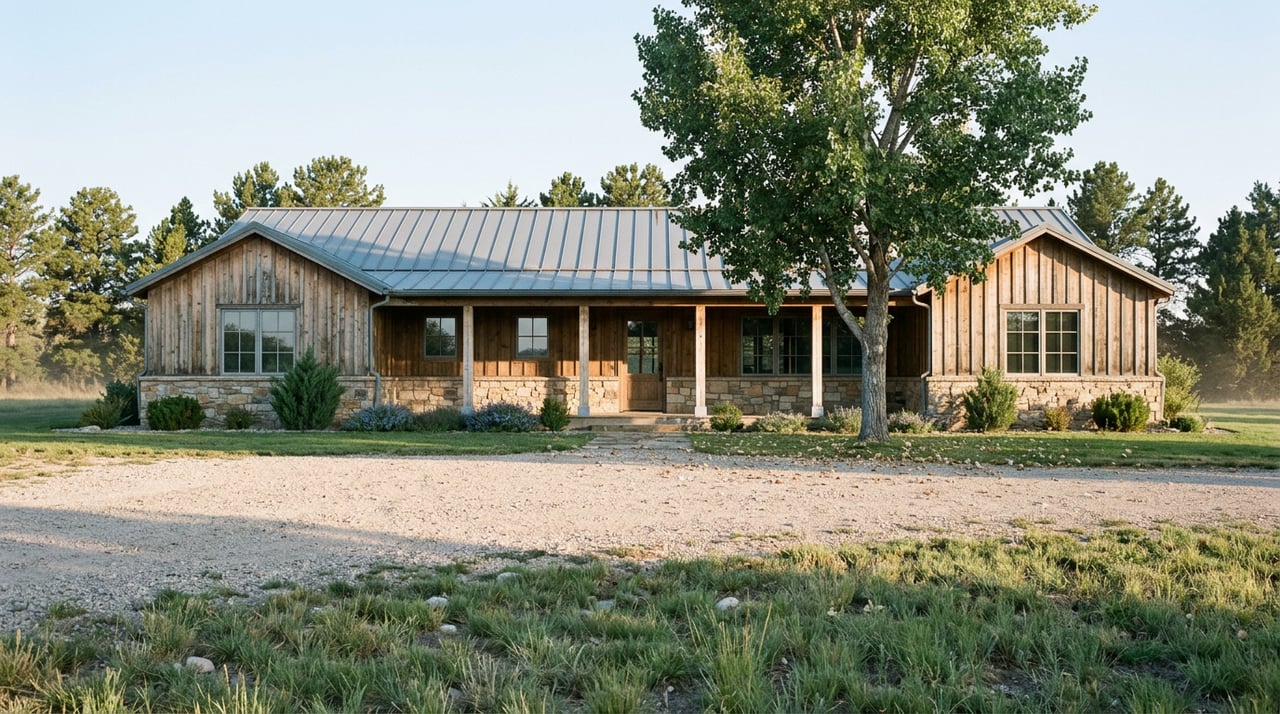
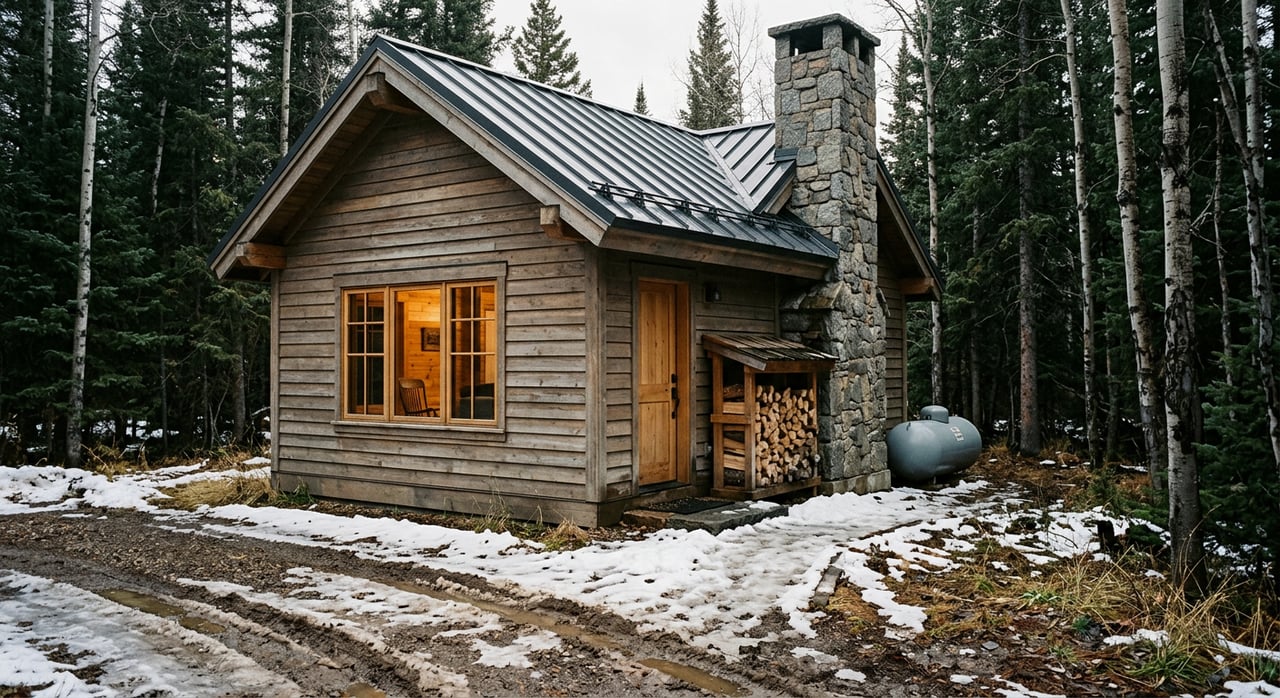
You can almost smell the pines and hear Canyon Creek when you picture your own mountain cabin in Ouray County. The vision is real, but so are the details: winter access, utilities, wildfire rules, and short-term rental permits. In this guide, you’ll learn how cabins here actually work, what to check before you buy, and how to set yourself up for smooth ownership. Let’s dive in.
Why Ouray County works for a cabin
If you want alpine scenery with a genuine small-town base, Ouray County checks the box. The City of Ouray sits high in the San Juan Mountains and attracts year-round outdoor lovers. You reach it from Montrose by a scenic drive along US‑550, where winter storms can slow travel.
The same terrain that makes the area special also shapes daily life. US‑550 over Red Mountain Pass sees active avalanche operations and temporary closures during storms. Before winter travel, check current conditions and planned mitigation using Colorado Department of Transportation updates for Red Mountain Pass and the CDOT avalanche-control program on US‑550, plus local forecasts from the Colorado Avalanche Information Center.
What cabin types you’ll find
In-town vs. unincorporated
Cabins in the City of Ouray or in town centers typically connect to municipal water and sewer. You’ll also find simpler snow removal and consistent year-round access on public streets. In unincorporated Ouray County, most cabins sit on private roads, rely on wells and septic, and may have limited winter access that depends on a private plow or neighbor agreement.
Some high-country parcels fall under the county’s High-Alpine Development Regulations. These rules address steep terrain, access safety, and the unique realities of building or improving property near or on patented mining claims. If a listing mentions a mining claim or sits far up a basin, plan for extra due diligence.
Common systems and features
Historic or modest-footprint cabins are common. Expect wood or pellet stoves and propane-fired appliances. Outside town, water often comes from a private well, wastewater from a septic system, and internet from fixed wireless or satellite.
Electric service is provided in many parts of the county by rural co-ops such as San Miguel Power Association. Some remote properties stay off-grid with solar, battery, and a generator. Confirm electric service and hookup requirements using the co‑op’s published guidance, like the SMPA construction handbook.
Hazards and ongoing maintenance
Mountain living means planning for freeze and thaw. If a cabin sits empty in winter, uninsulated pipes can burst unless the property is winterized. Steep roofs, snow-load design, and a plan for snow removal are essential.
High-country parcels may include or sit near old mine workings. That history can affect surface conditions and, in some areas, water quality. If you are looking near historic sites, budget time for environmental screening and careful inspections.
Seasonal access and safety
Winter is beautiful here, and it requires a clear access plan. If the road is not county-maintained, get plowing and summer road maintenance responsibilities in writing. A well-written agreement saves headaches and supports insurance and financing.
Temporary highway closures are part of life during big snow cycles. Before you or guests travel, check CDOT alerts and CAIC area forecasts. For remote driveways or high-elevation builds, review Ouray County’s High-Alpine Development Regulations and confirm that grades, turnouts, and widths meet local fire and emergency access expectations.
Utilities and internet
Water and wastewater
Many cabins rely on private wells and septic systems. Ouray County’s public health resources recommend annual water testing and provide contacts for local testing labs. Before you close, verify a valid well permit, get a flow test, and review any usage limits using the county’s well and water guidance.
For septic, order a professional inspection and confirm system capacity aligns with how you plan to use the property. If short-term renting is part of your plan, make sure expected occupancy does not exceed the septic design.
Power and heat
Electricity is commonly provided by regional co‑ops, and some parcels are still off-grid. Confirm whether there is an existing meter at the address and what it takes to upgrade or connect. For in-town properties with natural gas, service flows through a city-franchised provider, while most rural cabins use propane and wood heat, so ask about tank ownership and delivery logistics.
Internet and phone
Broadband is improving, especially within or near town, thanks to state-backed fiber investments. The Colorado Broadband Office awarded a Brainstorm Internet fiber project for Ouray, noted in the state’s grant awards archive. Coverage still varies by parcel, so check exact address availability and keep fixed wireless or satellite as your fallback for more remote cabins.
Short-term rentals: rules and taxes
If you plan to rent your cabin by the night, start with the rules. In unincorporated areas, Ouray County requires permits, and the Board adopted Ordinance No. 2024‑001 that sets permit types, numerical caps, and enforcement. You can review the county’s process on the Short-Term Rental Permitting page and read the full Ordinance No. 2024‑001.
City of Ouray and Town of Ridgway have their own STR programs that are separate from the county. If rental income is part of your numbers, confirm whether the property already holds a valid permit or whether a new permit is feasible. Build your pro forma to include state and county sales taxes and the county lodging district tax noted by the county as effective January 1, 2026.
Renovations, rebuilds, and wildfire mitigation
Wildfire safety is built into the permitting process. Ouray County requires ignition-resistant features like Class A roofing, screened vents, and defensible space planning as part of building approvals. Before you budget for remodels or additions, review the county’s Wildfire Mitigation Regulations and the 2025 Community Wildfire Protection Plan to understand expectations and best practices.
At higher elevations or on mining-claim parcels, design and engineering standards are different. The county’s High-Alpine Development Regulations outline feasibility studies, access, and environmental considerations you should expect before construction or expansion.
Due-diligence checklist for cabin buyers
Use this list during your inspection window so you do not miss a critical step.
Title and legal
- Order a full title report. Ask for a check of severed mineral rights, recorded easements, and any road maintenance or HOA documents. Mining-era severances are common in this region, so if minerals are separated, get legal advice on surface-use rights and start with context like Western Mining History’s overview materials.
Access and roads
- Get written confirmation of year-round or seasonal access. Identify who plows, who maintains the road in summer, and how costs are shared. Make sure the driveway meets local fire access standards for width, grade, and turnouts.
Water
- Verify the well permit and pump test. Follow Ouray County’s recommendations for annual testing and keep copies of lab results for your records using the county’s well and water guidance.
Wastewater
- Order a septic inspection and pull the county file to confirm design capacity. If you plan short-term renting, make sure occupancy and tank sizing match the use.
Structure and site
- Hire a licensed home inspector. On steep or high-country sites, consider a geotechnical opinion. If a parcel is near historic mine workings or tailings, discuss environmental screening with your inspector and lender.
Utilities and telecom
- Confirm the electric provider, the presence of a meter, and any line-extension costs. For co‑op-served areas, consult the SMPA construction handbook. Check exact broadband availability at the address and review the state’s grant awards archive for fiber projects. For propane, verify tank ownership and delivery access in winter.
Insurance and rebuild costs
- Get quotes before you close. Carriers price wildfire exposure, snow-load, and hard-to-access locations differently. Upgrades like Class A roofing and defensible space can help with insurability and premiums.
Short-term rental eligibility
- Confirm permit status with Ouray County Land Use for unincorporated addresses and check the municipality for in-town addresses. Review caps, waitlists, occupancy limits, and taxes using the county’s STR Permitting page and Ordinance No. 2024‑001.
Emergency and medical access
- Ask about response routes and driveability in winter. Confirm turnarounds for emergency vehicles and plan for backup power if a parcel is off-grid or at the end of a long private road.
County records and permits
- Visit the county Land Use document center. Verify that past additions were permitted and closed out and note any open enforcement items before you proceed.
Costs and ownership practicalities
Budget for more than the mortgage. Snow removal, propane refills, septic pumping, and private road maintenance are normal here. If a cabin is off-grid, include generator fuel and battery replacement cycles in your long-term numbers.
If you plan to rent, add permit fees and lodging and sales taxes. In town, check for separate local licensing or tap fees tied to occupancy. If you expect frequent winter use, a reliable plowing service and a smart thermostat can protect your investment and reduce emergency calls.
How we help
Buying a mountain cabin in Ouray County is equal parts dream and due diligence. You get the views and trails, plus the responsibility that comes with high-country ownership. A local partner who lives this terrain can shorten your learning curve.
Our team at Colorado Land Home & Ranch helps you identify the right parcels, confirm access and utilities, and coordinate the specialized inspections that matter here. If your plan includes renting, we can talk through Ouray County’s permit process and how our vacation rental management can support your goals. When you are ready to take the next step, connect with Teddy Berger to Schedule a Consultation.
FAQs
Is year-round access realistic for cabins in Ouray County?
- Yes in many locations, but winter storms and avalanche mitigation can temporarily close US‑550, so get written road maintenance and plowing commitments and check CDOT’s Red Mountain Pass updates and CAIC forecasts before travel.
What should you check about wells and septic before buying in Ouray County?
- Verify a legal well permit, order a flow test and lab testing as the county advises, and get a septic inspection to confirm capacity and condition using the county’s well and water guidance.
Can you use a Ouray County cabin as a short-term rental?
- Possibly, but unincorporated properties need a county permit under capped programs set by Ordinance No. 2024‑001, and in-town addresses follow separate municipal rules, with state and county sales taxes and a county lodging district tax to plan for.
How is internet service at remote cabins in Ouray County?
- It varies by address; the state-funded Brainstorm fiber project noted in the Colorado Broadband Office grant archive improves town coverage, while fixed wireless or satellite is common on remote parcels, so confirm service options during due diligence.
What wildfire rules affect remodeling in Ouray County?
- Expect ignition-resistant requirements like Class A roofing, screened vents, and defensible space as part of permitting, outlined in the county’s Wildfire Mitigation Regulations.
Are there mining-related concerns for high-country parcels?
- Yes; many areas have historic mining activity, so check title for severed mineral rights and consider environmental screening near old workings, using context from Western Mining History and county records before you commit.