Buying mountain land near Telluride can feel exciting right up until the practical questions start piling up. A beautiful listing photo does not tell you whether a truck can reach the site in January, whether a driveway is permitted, or whether water and wastewater service will work for your plans. If you are thinking about purchasing land in the Telluride area, this guide will help you focus on the issues that matter most before you commit. Let’s dive in.
Why mountain land needs a closer look
In the Telluride area, land value is often tied to terrain, access, and buildability as much as acreage or views. San Miguel County planning materials identify recurring risks that include wildfire, avalanche, flood, geologic hazards, and severe winter weather. Those conditions can affect how you access a parcel, where you can build, and what extra work may be needed before construction starts.
That is why mountain land shopping should begin with practical questions. Can you reach the parcel year-round? Is there a likely build site with workable slope? Are there drainage, creek, or cut-slope issues that could affect safety or cost? These are often the details that shape whether a property is a strong fit for your goals.
Start with listings, but verify everything
Online listings and GIS maps can help you narrow down options, but they are only a starting point. San Miguel County states that its GIS data is not survey-accurate and should be used as general guidance only. If you need official boundary information, the county says you should hire a licensed surveyor.
That matters because map overlays can make a parcel look simpler than it really is. A road line on a map does not confirm legal access. A wide-looking building area on a listing may still be limited by slope, setbacks, easements, or zoning rules.
What to check in an online listing
When you first review a mountain land listing, look for these basics:
- Access type
- Road surface
- Snow or plow status
- Visible utilities
- Likely build site
- Slope
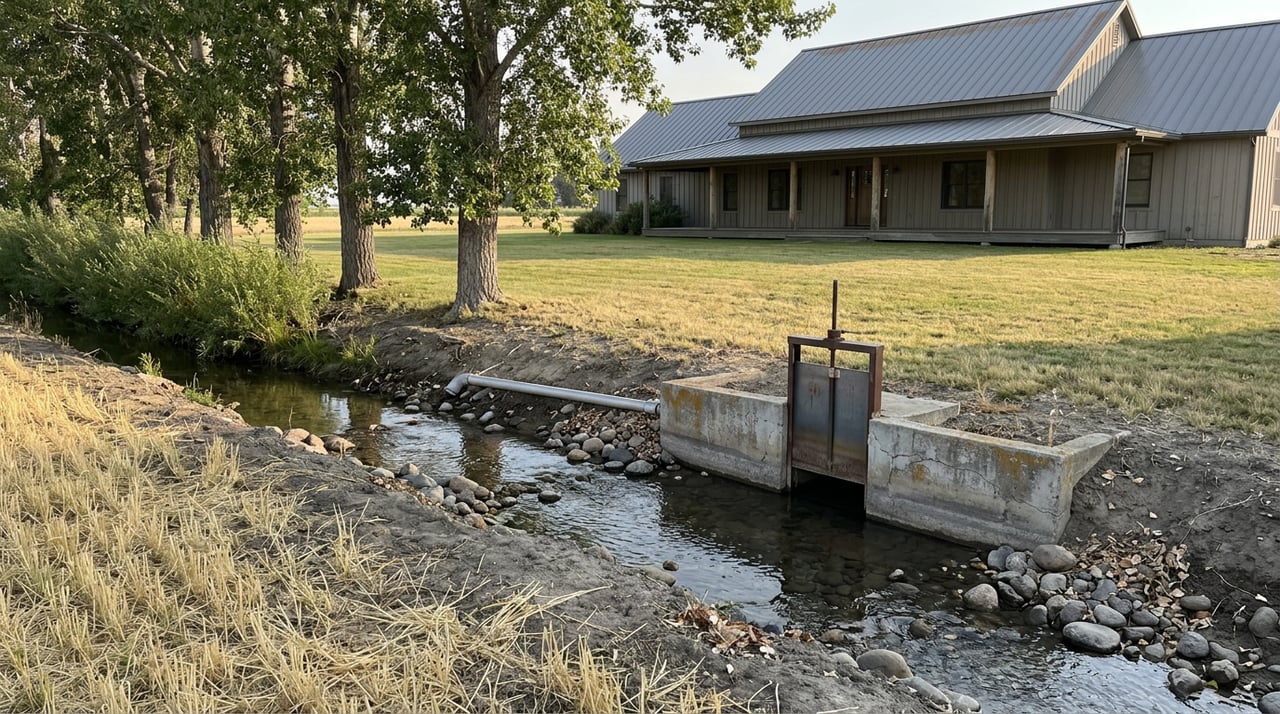
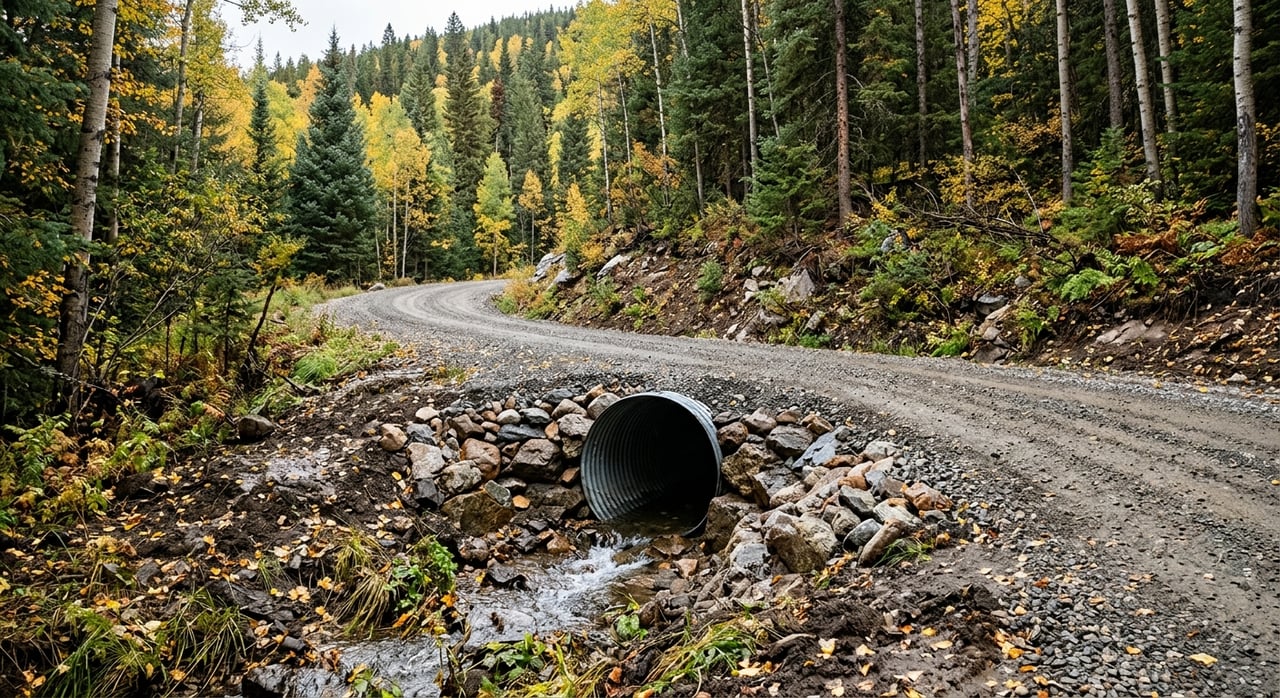
- Creek, drainage, or cut-slope issues
If those details are missing or unclear, treat the listing as incomplete until local confirmation, permit history, or a survey fills in the gaps. That extra step can save you time, money, and frustration later.
Road access and winter use matter more than many buyers expect
Access is one of the biggest issues in mountain land purchases. San Miguel County Road & Bridge maintains more than 650 miles of county roads, but the county is not responsible for private roads, state highways, or roads within town limits. For many buyers, that means the most important question is not just whether a road exists, but who is actually responsible for maintaining it.
If a parcel connects to a county road, any proposed access requires a driveway permit. If the property is accessed from a private road, a Development Permit may also be required. The county also states that the property owner is responsible for the construction and maintenance of a private driveway unless another agreement says otherwise.
Questions to ask about road access
Before you move forward on a parcel, ask:
- Who maintains the road?
- Who plows the road in winter?
- Is there a recorded easement?
- Is there a written road-maintenance agreement?
- Can delivery trucks or heavy equipment reach the build site?
- Are any winter service or snow removal permits needed?
These questions can affect much more than convenience. The legal status and maintenance of a road may influence financing, insurance, construction timing, and whether the parcel is realistically usable during winter months.
Water, wells, and utility service need clear answers
Water service in Colorado deserves careful review, especially when you are buying land. The Colorado Division of Water Resources states that well permits are used to construct a new or replacement well or to register an existing well. In the standard Colorado land contract, deeded water rights, well rights, and water and sewer taps are treated as separate items, which means you should never assume they transfer automatically with the land.
If a listing says a water tap is included, written confirmation is important. The contract guidance notes that buyers should verify with the provider whether the tap exists, whether there is any remaining balance owed, and whether there are transfer restrictions. That is a smart step whether the parcel is near town or farther out in a more rural setting.
Municipal water near Telluride
The Town of Telluride operates a municipal utility system for residents and businesses within town limits and in nearby communities. The town reports that it operates three drinking water sources: Mill Creek and Blue Lake as main year-round sources, plus Stillwell Portal as a seasonal groundwater backup. The town also bills water, sewer, trash, and recycling monthly.
For parcels outside town limits, costs can differ. Telluride’s tap-fee schedule shows that some nearby areas are charged at 131% of applicable in-town rates. If a property is represented as having municipal service available, make sure you verify whether the tap already exists, whether it conveys with the property, and what costs remain.
Private wells and septic systems
If the parcel will rely on a private well, water quality testing becomes your responsibility. The Colorado Department of Public Health and Environment states that private wells are not regulated under the Safe Drinking Water Act, and the user is responsible for testing water quality.
For wastewater, on-site wastewater treatment systems, often called septic systems, are governed by Regulation 43. Systems with flows of 2,000 gallons per day or less are permitted by local counties or public health agencies. In San Miguel County, Environmental Health is the local point of contact for water-quality issues.
Water and septic questions to ask
A smart due diligence list includes:
- Is there a registered well?
- Is the well permit current and consistent with intended use?
- Are any water rights deeded separately from the land?
- Is the parcel served by municipal water and sewer?
- If not, will it require a well and septic system?
- Is the septic permit or as-built available?
- Is the septic system sized for the intended use?
These questions help you understand whether the parcel works for a seasonal cabin, full-time home, or guest use before you get too far down the road.
Zoning and hazards shape what you can build
Owning land does not automatically mean you can build whatever you want. San Miguel County publishes its Land Use Code online and updates it quarterly. The rules that apply to a parcel can affect whether you can build, subdivide, or change the use of the property.
Hazard overlays matter too. In the unincorporated county, floodplain regulations apply to special flood-hazard areas, and development permits are required before construction begins in those areas. The county also states that when development is proposed on slopes greater than 30%, the design should rely on a detailed site survey plus geologic and engineering analysis.
Telluride floodplain and geohazard review
The Town of Telluride participates in the National Flood Insurance Program and directs owners to its floodplain and geohazard maps to determine whether a property is in a flood zone or geologic hazard area. The town also states that FEMA elevation certificates are required for new construction and additions in designated flood zones.
For mountain parcels, this review is especially important where drainage, debris flow, rockfall, or steep terrain may affect design. A parcel can be attractive on paper and still come with meaningful limits on where and how improvements can be built.
Wildfire planning should be part of your buying process
Wildfire is a recurring planning issue in San Miguel County. The county states that wildfire remains a significant threat, and its mitigation work supports assessments, defensible space, and emergency access planning through the West Region Wildfire Council.
For buyers, this means you should look beyond the view and tree cover. A heavily wooded parcel may require substantial mitigation work before it can be safely improved or insured. Access for emergency vehicles and the ability to create defensible space should be part of your review from the start.
Build a strong due diligence packet
A mountain land purchase usually goes more smoothly when you gather the right documents early. This is where a local, rural-focused approach really helps. Instead of relying on assumptions, you want paperwork that answers the biggest questions clearly.
A strong due diligence packet should include:
- Plat or survey
- Title commitment
- Recorded easements
- Road-maintenance or snowplow agreement
- Well permit or water-rights documents
- Septic permit and as-built
- Utility tap confirmation
- Floodplain or geohazard map
- Any wildfire mitigation history
Together, these documents help answer three key questions: Can you legally access the parcel, can you legally build on it, and can you reliably get water and wastewater service for your intended use?
Work with the right local professionals
Mountain land transactions often require more specialized review than a typical residential purchase. Based on county guidance and the realities of rural property, the most helpful professionals often include a licensed surveyor, a title company, the county planning department, the county environmental health office, the water provider, and any well, septic, or geotechnical specialists needed for the site.
This is one reason many buyers prefer working with a brokerage that understands Western Slope land and rural property questions. Clear guidance on access, water, terrain, and local process can help you avoid buying a parcel that looks good online but proves difficult to use in real life.
If you are considering mountain land near Telluride, taking a careful, document-first approach can protect both your budget and your plans. When you want local guidance on land, ranch, and mountain lifestyle property across the Western Slope, connect with Teddy Berger for practical help at every step.
FAQs
What is the most important first step when buying Telluride area mountain land?
- Start by verifying access, terrain, and likely buildability, because those issues often matter more than acreage or views.
What does San Miguel County say about using GIS maps for land boundaries?
- The county says GIS data is not survey-accurate and should be used only as general guidance, so a licensed surveyor is needed for official boundary information.
What road access questions should you ask about a mountain parcel near Telluride?
- You should ask who maintains and plows the road, whether an easement exists, whether there is a road-maintenance agreement, and whether heavy equipment can reach the site.
What should you confirm about water service for Telluride area land?
- You should confirm whether the parcel has municipal water, a registered well, deeded water rights, or a transferable water tap, and whether any costs or restrictions remain.
What should you know about septic systems for San Miguel County land?
- If a parcel is not on municipal sewer, you should verify whether it will need an on-site wastewater treatment system and whether the septic permit and as-built are available.
Why do slope and hazard maps matter for mountain land near Telluride?
- Floodplain, geohazard, drainage, and steep-slope conditions can affect where you can build, what permits you need, and what engineering work may be required.
How does wildfire affect buying land in the Telluride area?
- Wildfire risk can affect defensible space planning, emergency access, site improvement costs, and possibly insurance considerations.
What documents should be in a due diligence packet for Telluride area land?
- A strong packet should include a survey or plat, title commitment, easements, road agreements, water documents, septic records, utility confirmations, hazard maps, and any wildfire mitigation history.