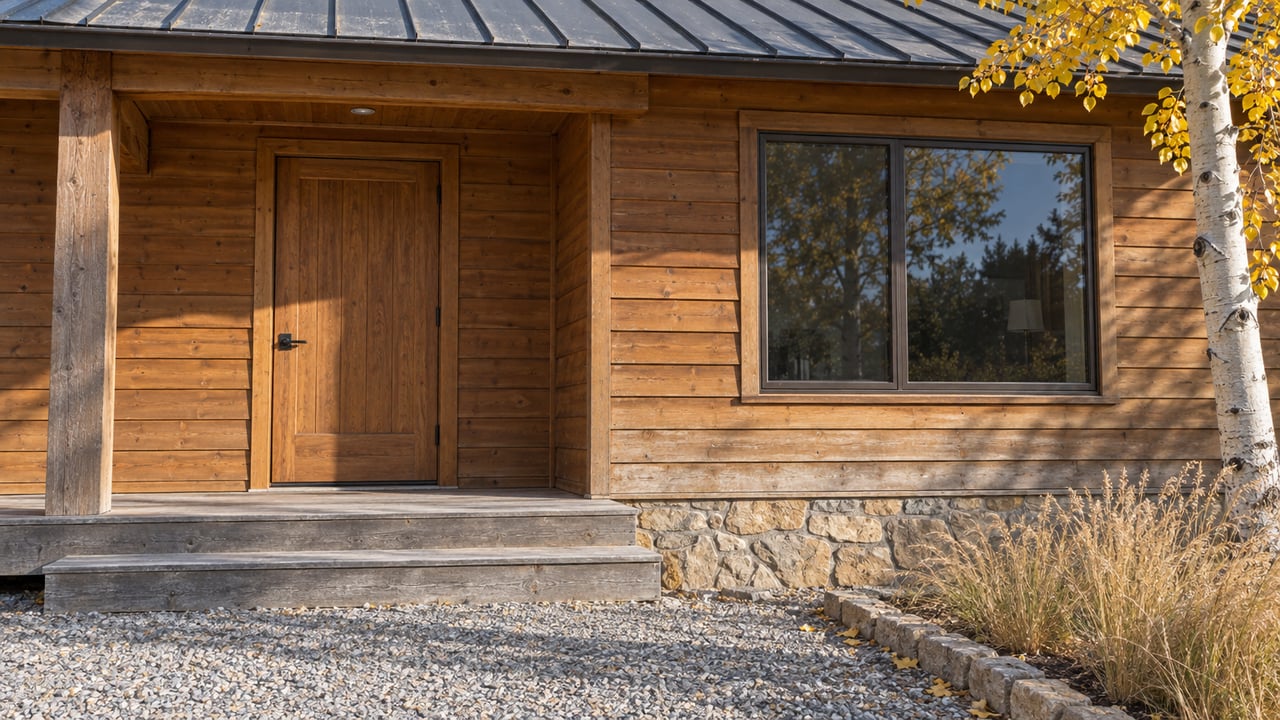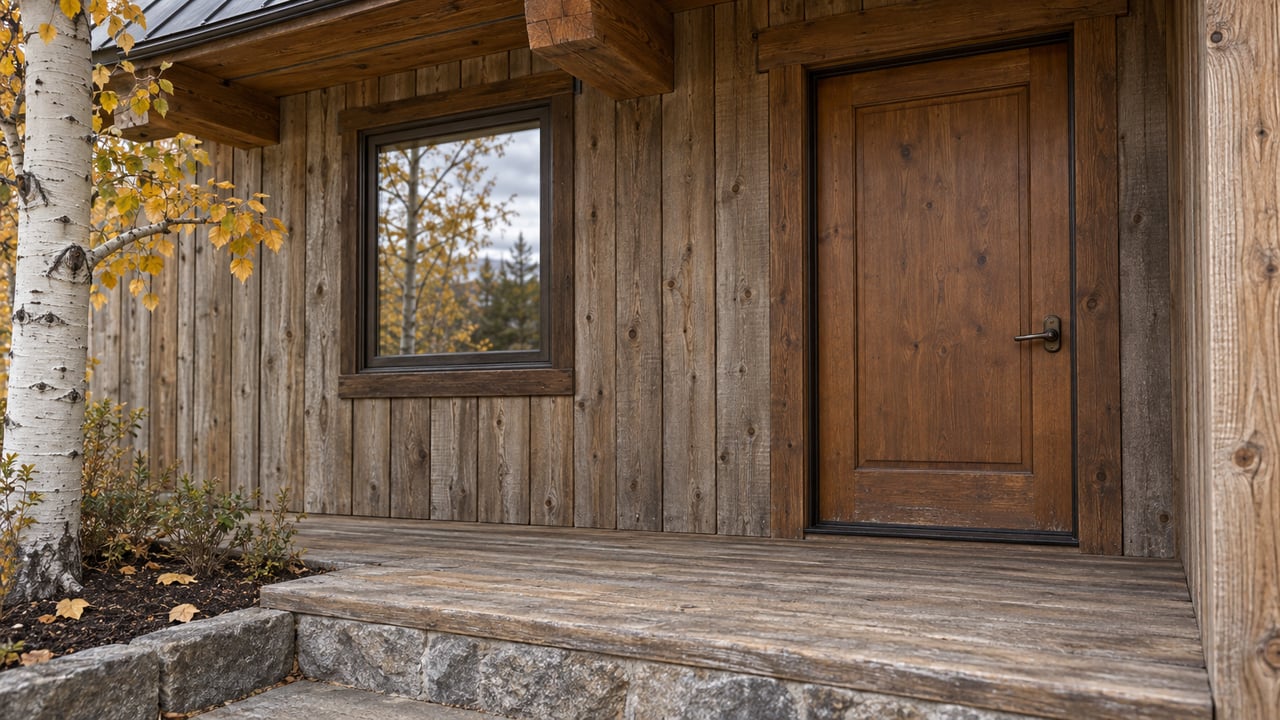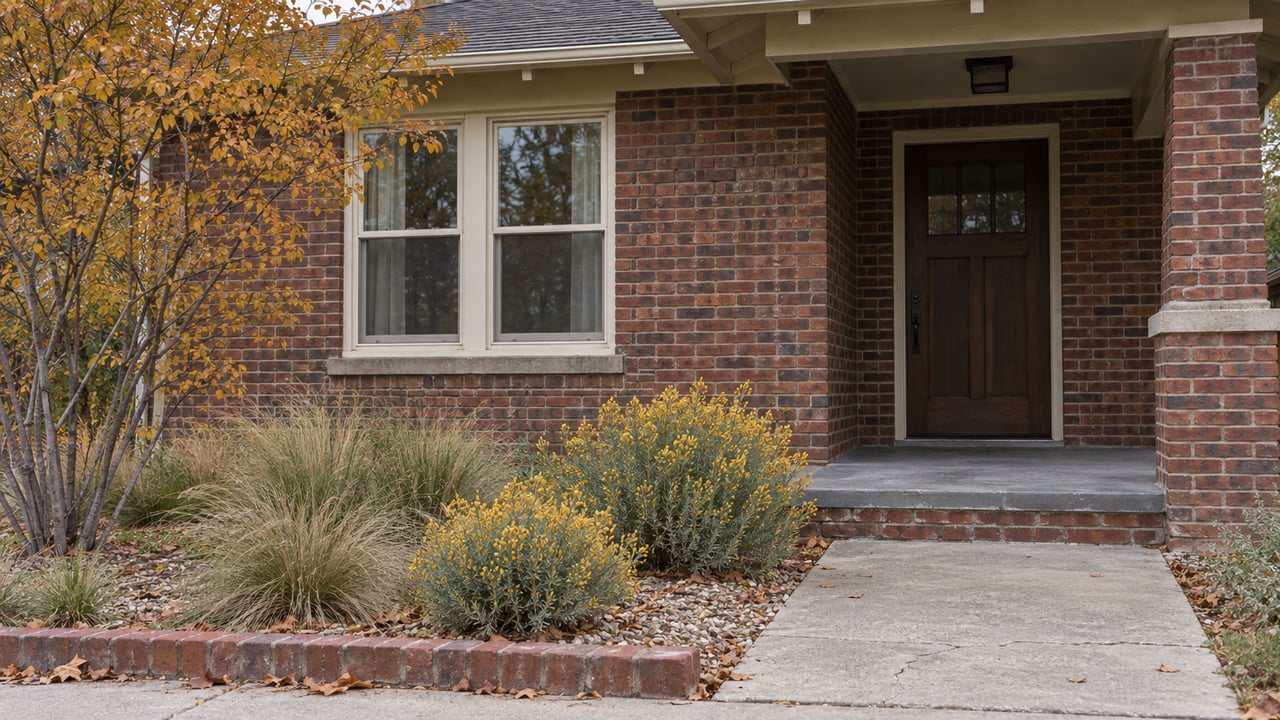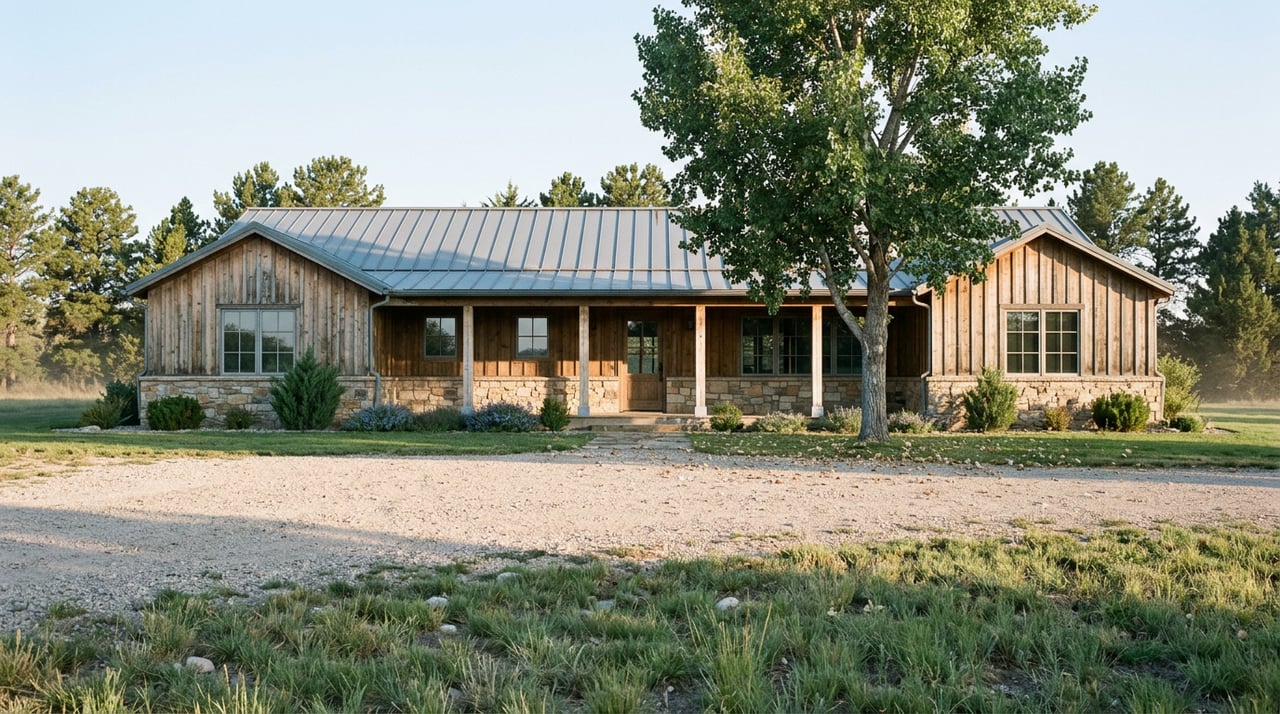
A buyer working from a single number pulls up two listings in Delta County on the same afternoon. One sits on ten acres near Crawford, listed close to the high end of what recent city-level data shows for that town. The other sits on a similar-looking ten acres outside Eckert, priced at a little over half. Same county. Same rough acreage. Same "mountain views" line in the description. The buyer assumes the Crawford listing is overpriced, or that the Eckert listing is the deal of the year.
Neither read is right, and the reason has almost nothing to do with the house.
A single home-price figure for Delta County, whichever version you pull, doesn't describe one market. The towns behave nothing alike, and the variable doing most of the work in that gap rarely makes it into the listing headline. It's whether the parcel carries water.
One headline figure, several very different towns
The cited figures describe the city of Delta, not a countywide median: Zillow's home value index for Delta shows the average around $374,702 as of late May 2026, and Redfin reports a median sale price near $344,000 for a recent month in the city of Delta itself. Those numbers are real, and they're also close to useless for a buyer trying to figure out what a specific parcel should cost, because a city-level figure doesn't describe every parcel in the county.
City-level data from RealtyTrac shows how much towns can differ. Crawford has a median listing home price of $725,000, while Eckert has average home prices closer to $374,986. That's not a rounding difference. That's two towns in the same county pricing land at nearly double the spread.
| Delta County town | What the data shows |
|---|---|
| Crawford | Median listing price around $725,000 |
| Eckert | Average home prices near $374,986, among the lowest |
| Paonia | Homes for sale showing a median value as high as $1,329,000 in the same dataset, reflecting a smaller, higher-end slice of listings |
| Delta (city) | Recent median sale price near $344,000 |
The spread isn't random geography. Crawford and Paonia sit in the North Fork Valley, the stretch of Delta County built around orchards, vineyards, and hay ground that depends on irrigation to function as agricultural land at all. Eckert and the flatter ground around Delta proper include more dry parcels and in-town lots where irrigation was never part of the equation.
The number the listing headline skips
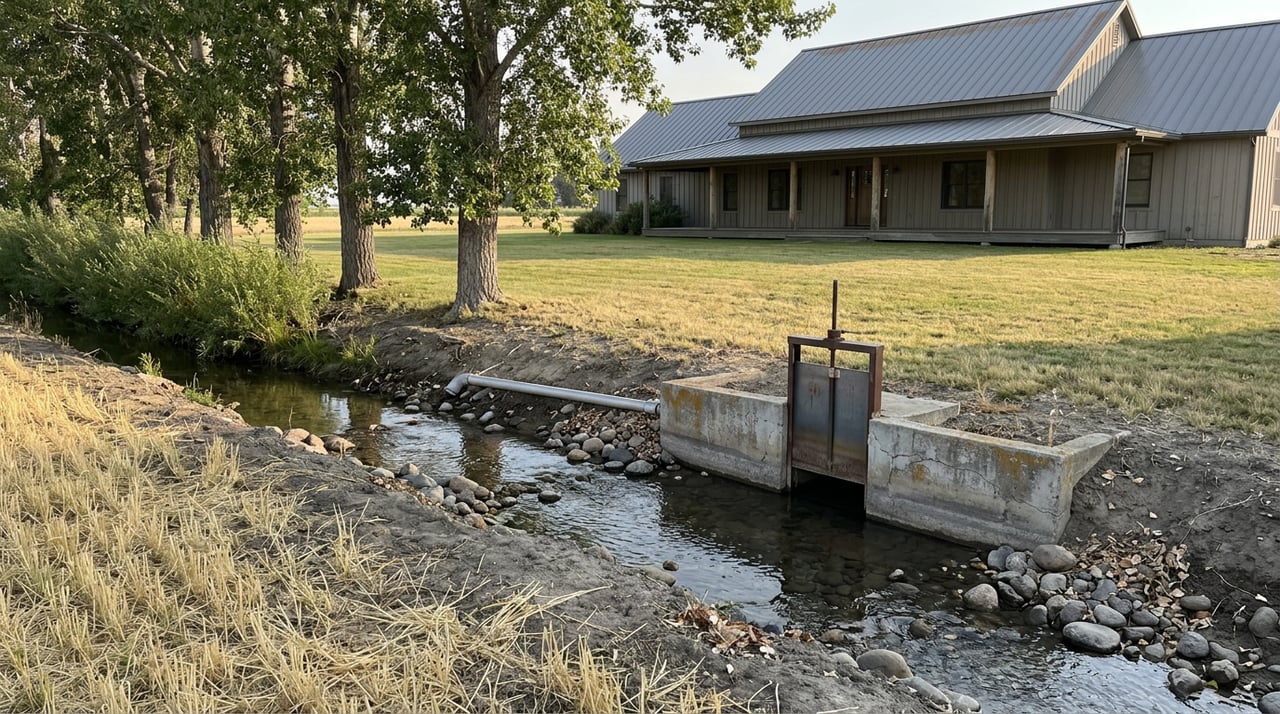
Here's the mechanism that actually explains the gap. In Colorado, owning land next to water doesn't mean you can use it. Diverting water for irrigation requires either an adjudicated water right tied to the land or shares in a mutual ditch company that already holds one. A ditch company is a private, member-owned entity that built and maintains the delivery infrastructure, and owning shares in it is what actually entitles a parcel to water, not proximity to a creek.
Delta County has working examples of exactly this structure. One property in the county carries 116.5 shares of Short Ditch Company along with shares in Short Ditch Extension, supporting more than 185 irrigated acres. A ten-acre parcel near Piburn Flats, in the North Fork Valley, closer to hobby-farm scale, comes with a shared domestic spring and 14 shares of the Saddle Mountain Ditch. Acreage closer to Hotchkiss draws on a different set of named systems entirely, including Oasis Ditch No. 1 along with the Desert, Shamrock, and Matlock ditches.
None of that infrastructure shows up in a county median. It shows up in the closing documents, if the buyer knows to ask for it, and it's the reason a ten-acre parcel with functioning ditch shares in Crawford can be priced nowhere near a ten-acre parcel without them near Eckert. The house on top might be nearly identical. The right to grow something on the ground underneath it is not.
Why this matters for what you're actually comparing
If you're shopping Delta County against a single city-level figure in your head, you're set up to misjudge both ends of the market.
A North Fork Valley listing that looks expensive next to the cited city-level figure for Delta may be pricing in decades of established water rights, senior priority dates, and the physical infrastructure (headgates, laterals, delivery flumes) that makes the land productive. That's not padding. That's the asset.
A valley-floor or high-desert listing that looks like a bargain next to that same city-level figure may simply be dry. Nothing wrong with that if you're after a residential lot or don't plan to irrigate, but it's a different product than acreage with adjudicated water, and pricing it against a North Fork orchard parcel as if they're interchangeable is where buyers get surprised.
The practical fix isn't complicated, but it does require asking questions that single city-level figure can't answer.
Before you write an offer on Delta County acreage, find out:
- Which ditch or ditch company actually serves the parcel, by name, not just "irrigation rights included" in the listing copy
- Whether the shares are recorded as conveying with the deed, since mutual ditch company shares transfer through an assignment or slip assignment to the stock certificate, separate from the property deed itself
- What the ditch company's annual assessment costs, since shareholders pay ongoing fees to cover maintenance regardless of whether they irrigate that year
- Whether the priority date and decreed use on the underlying water right match what you actually plan to grow or raise, since a right decreed for hay irrigation doesn't automatically cover a different use
- Who currently holds the stock certificate, since ditch companies keep their own ownership registry and a title search alone won't always catch a share that was never properly reassigned
None of this shows up by comparing square footage or scrolling past that city-level figure. It shows up by asking the seller's agent for the ditch company name and calling to confirm the share count and assessment history before the inspection period closes.
What this means if you're the one selling
The same gap cuts the other way for sellers. If your Delta County property sits on the North Fork Valley side of that divide, quoting a city-level average price as though it describes the whole county undersells land that's carrying real, verifiable water infrastructure. Buyers who understand what ditch shares are worth will pay for them, but only if the listing actually states the ditch name, the share count, and whether the shares convey. Leaving that to "irrigation rights available" language does the seller no favors and invites a lowball anchored to the wrong comparable.
A few questions that come up often
Do water shares always transfer automatically when the land sells? No. Ditch company shares are a separate form of ownership from the land deed. The transfer happens through the ditch company's own assignment process, and it's worth confirming in writing before closing that the specific shares tied to a listing are actually being conveyed to the buyer.
If a listing mentions a creek or a ditch crossing the property, does that mean I can irrigate? Not by itself. A ditch running through a parcel without owning shares in the company that operates it means you can't legally divert water from it, even though you're still responsible for allowing access for maintenance.
Can I just buy shares later if I decide I want to irrigate? Sometimes, but not guaranteed. Ditch companies aren't always selling shares, and even when they are, availability and price depend entirely on that specific company, not on anything a buyer can control by shopping the open market.
If you're comparing acreage across Delta County and want someone who can walk a specific ditch company, share count, and assessment history before you write an offer, Colorado Land Home & Ranch works this ground regularly. Schedule a Consultation and we'll go through what a particular parcel's water actually gets you, not just what a city-level figure suggests it should cost.
This article is general information, not legal, tax or financial advice. Consult a qualified professional about your situation.